Choosing the right High Torque Motor can determine whether an industrial machine starts smoothly or stalls under pressure. Conveyor systems, mixers, hoists, crushers, and automated production lines all demand dependable starting force. Yet torque ratings alone rarely tell the complete story. A motor may deliver impressive peak torque but perform poorly during continuous operation, frequent reversals, or heavy thermal loads.
This guide examines seven high torque motors suited to demanding industrial applications. Each selection is considered through practical factors, including rated torque, speed control, duty cycle, efficiency, protection ratings, maintenance needs, and compatibility with variable frequency drives. Real factory conditions matter. Dust, vibration, heat, moisture, and limited installation space can quickly expose a weak design. Torque matters.
The evaluation also draws on established engineering practice and manufacturer specifications, while recognizing an important limitation: no single motor is best for every facility. A compact servo motor may excel in precise robotics but struggle with abrasive bulk handling. An induction motor may offer rugged reliability, yet require careful control for low-speed torque. That assumption can fail. Installation quality, gearbox selection, overload settings, and proper alignment often influence results as much as the motor itself.
Readers will find practical comparisons rather than claims based only on catalog figures. The discussion highlights where each motor performs confidently, where it may need additional protection, and which compromises deserve closer review before purchase. A neat specification sheet is not proof. On-site testing and qualified engineering judgment remain essential.
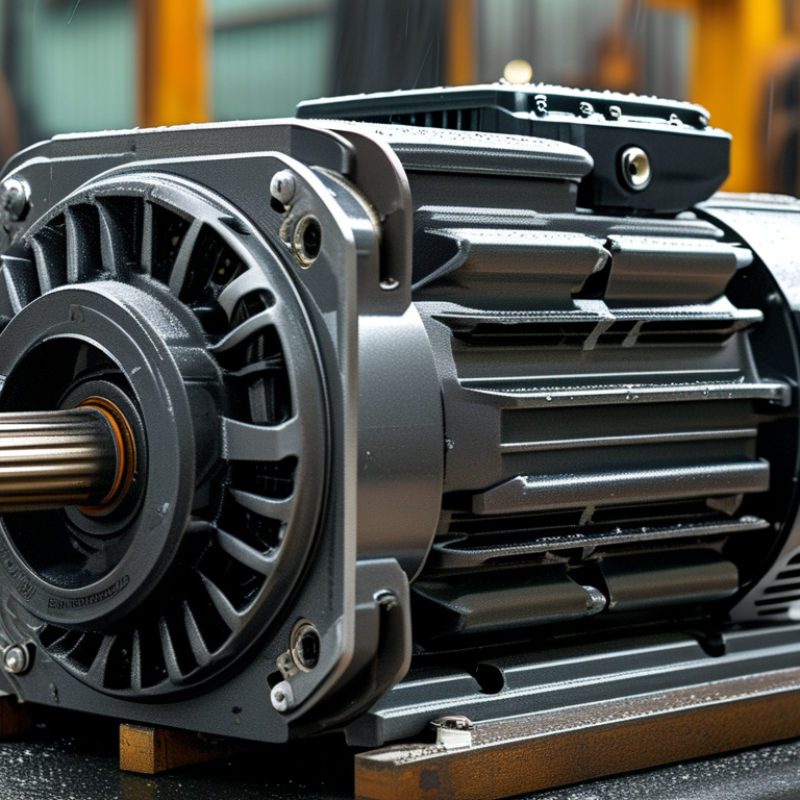
What Defines a High-Torque Motor for Industrial Use
What Defines a High-Torque Motor for Industrial Use
A high-torque motor produces strong rotational force, especially at low speeds. This matters when conveyors start under heavy loads or mixers resist sudden movement. Torque alone, however, does not define industrial performance. Engineers also examine continuous torque, peak torque, speed range, duty cycle, and heat tolerance.
Torque matters.
A reliable motor should maintain output during repeated starts, stops, and load changes. Its housing may need protection from dust, moisture, vibration, or metal particles. Thermal sensors and suitable ventilation can prevent winding damage during long shifts. In practice, a large peak-torque figure can mislead if the motor reaches it only briefly.
The drive system, shaft coupling, gearbox, and control settings also affect real performance. A small installation error can create noise, heat, and premature bearing wear. Specifications are useful, but measured operating data is better.
Tips:
Check the required starting torque before selecting a motor. Compare continuous ratings with the actual production cycle. Leave thermal capacity for hot rooms and frequent acceleration. Inspect mounting alignment during commissioning. Record current, vibration, and casing temperature after several hours. This step is often skipped, yet it can expose an undersized motor early. Recheck the calculation when the material, speed, or load pattern changes.
Key Factors for Comparing Industrial High-Torque Motors
7 Best High Torque Motors for Industrial Applications
Comparing industrial high-torque motors requires more than checking peak torque. Start with continuous torque, starting torque, speed range, and duty cycle. A motor may deliver impressive force briefly, yet overheat during constant production. In field evaluations, thermal performance often separates a reliable motor from an expensive disappointment. Check the torque curve at low speed, not only the rated point. Also verify shaft load, mounting dimensions, enclosure rating, and cooling method. These details affect installation time and service life.
Efficiency matters when motors operate for many hours each day. Compare efficiency across the actual load range, because published peak efficiency can mislead. Control compatibility is equally important. Confirm feedback options, braking response, overload protection, and communication requirements. Maintenance teams should review bearing access, insulation class, replacement parts, and diagnostic features. A quieter motor is not automatically better; unusual noise can reveal alignment or bearing problems. Cost comparisons should include energy use, downtime, controls, and installation labor. I have seen teams choose a lower purchase price and later regret the maintenance burden.
Tips: Record the real load profile before selecting a motor. Measure acceleration time, peak loads, ambient temperature, and daily operating hours. Leave a sensible torque margin, but avoid excessive oversizing. Oversizing can reduce efficiency and complicate control. If test data conflicts with a catalog sheet, investigate both. Specifications can be incomplete, and actual machinery is rarely perfect.
7 Best High-Torque Motor Configurations for Industrial Applications
Representative comparison of continuous rated torque and peak efficiency across commonly used industrial motor configurations. Values are typical engineering benchmarks and are not associated with any specific company or brand.
Higher torque supports demanding loads, while efficiency affects operating cost and heat generation. Final selection should also consider speed range, duty cycle, overload capacity, cooling, control method, enclosure rating, and gearbox requirements.
Seven High-Torque Motor Types for Industrial Applications
Industrial machinery needs torque that remains stable under heat, dust, vibration, and repeated loading. Seven high-torque motor types deserve careful attention.
AC induction motors provide strong starting torque and tolerate harsh factory conditions. They suit conveyors, pumps, compressors, and mixers. Synchronous reluctance motors reduce rotor losses and deliver efficient torque at steady speeds. Permanent-magnet synchronous motors offer high torque density, making them useful where floor space is limited. Their magnets can raise repair costs.
Brushed DC motors deliver immediate torque and simple speed control. However, brushes wear and may require frequent inspection. Brushless DC motors avoid brush replacement and perform well in fans, conveyors, and automated tools. Servo motors combine a motor, feedback device, and controller for precise torque and position. In plant retrofits, poor tuning can still cause vibration. Stepper motors produce strong holding torque at low speeds, supporting indexing tables and packaging equipment. They may lose position during sudden overloads. Selection should consider duty cycle, gearbox ratio, cooling, control accuracy, and available maintenance skills. Test the motor under real load, not only on a clean specification sheet.
How to Select the Right Motor for Your Operating Conditions
7 Best High Torque Motors for Industrial Applications?
Choosing a high torque motor starts with the operating conditions, not the catalog headline. Check required starting torque, continuous load, speed range, and load inertia. A conveyor carrying wet aggregate needs different performance from a precision actuator. Induction motors suit rugged, steady loads. Synchronous and brushless motors improve efficiency and speed control. Servo motors offer accurate positioning. Geared motors increase output torque at lower speed. DC motors can deliver strong starting torque, but their brushes require more maintenance. Hydraulic drives may handle severe shock loads, yet they need clean fluid and careful sealing.
Tips: Record the real load cycle for one full shift. Include starts, stops, jams, and idle periods. Select a motor with thermal capacity above the measured demand. Confirm voltage, controller compatibility, enclosure rating, ambient temperature, and installation altitude. Dust, washdown water, and corrosive vapors can quickly change the correct choice. Oversizing is not always safer. It may reduce efficiency, increase cost, and create poor low-speed control.
A reliable selection also considers maintenance access and failure consequences. Review the duty rating, braking method, bearing loads, and emergency-stop behavior with qualified engineers. Test the motor under realistic conditions before full production. Laboratory figures can mislead. I would also question uncertain assumptions, especially when the load changes during operation. A modest margin is useful, but an oversized motor may hide a weak gearbox, poor alignment, or unstable control settings.
Installation, Maintenance, and Safety Considerations
High-Torque Motors for Industrial Applications: Installation, Maintenance, and Safety Considerations
Installing a high-torque motor requires more than matching power and speed. Confirm the motor’s rated torque, duty cycle, voltage, and environmental protection before moving it. Use a rigid base that prevents vibration during startup. Check shaft alignment with suitable measurement tools, not visual judgment alone. Small errors can damage couplings, bearings, and seals. Secure all fasteners to the manufacturer’s specified torque. Improvisation often creates expensive failures.
Connect protective grounding before energizing the motor. Verify cable sizes, insulation condition, overload protection, and emergency isolation points. Keep rotating components guarded, and maintain clear access around the equipment. Only qualified personnel should perform electrical work or remove protective covers. Test the motor briefly without a load, then increase the load gradually while monitoring current, noise, temperature, and vibration. Stop immediately when readings change unexpectedly.
Tips: Record baseline readings during commissioning. Inspect bearings, couplings, cooling passages, and terminal connections at planned intervals. Clean dust from ventilation openings before it becomes a thermal problem. Listen for unusual humming. It may reveal misalignment earlier than an alarm. Lubrication schedules should follow the motor’s operating conditions, not guesswork. Maintenance teams sometimes over-lubricate, which can be as harmful as neglect. Keep inspection records with dates, readings, and corrective actions. No installation is perfect; reviewing repeated faults can expose weak procedures and improve future reliability.
FAQS
: It produces strong rotational force, especially at low speeds. This helps conveyors start under heavy loads.
No. Compare continuous torque, peak torque, speed range, duty cycle, and heat tolerance. Peak figures can mislead.
Choose a motor rated for the actual production cycle. Leave thermal capacity for frequent acceleration and hot rooms.
Its housing may need protection from dust, moisture, vibration, and metal particles. Ventilation and thermal sensors also help.
Common options include induction, synchronous reluctance, permanent-magnet synchronous, brushed DC, brushless DC, servo, and stepper motors.
Servo motors suit applications needing accurate torque and position. Poor tuning can still create vibration during retrofits.
They provide strong holding torque at low speeds. However, sudden overloads may cause position loss.
Check mounting alignment, shaft coupling, current, vibration, and casing temperature after several operating hours. Small errors matter.
A suitable gearbox can adjust speed and available torque. Its ratio must match the load and operating cycle.
Recheck it when material, speed, or load patterns change. Measure real performance, not only catalog values.
Conclusion
A High Torque Motor is designed to deliver strong rotational force, reliable starting performance, and stable operation under demanding industrial loads. This article explains what distinguishes high-torque motors from standard models, including torque output, speed range, efficiency, duty cycle, thermal performance, and resistance to harsh environments. It compares seven common motor types used in industrial applications, such as induction, synchronous, brushless, servo, stepper, geared, and hydraulic-electric drive solutions, highlighting the strengths and limitations of each.
Choosing the right motor depends on operating conditions, load characteristics, required precision, available power, installation space, and control requirements. The article also covers practical installation, maintenance, and safety considerations, including correct alignment, cooling, electrical protection, inspection routines, and safe handling procedures. By evaluating performance requirements and long-term operating costs, engineers can select a motor that provides dependable torque, improves equipment productivity, and supports efficient, safe industrial operation.

 MicroDyn Motor