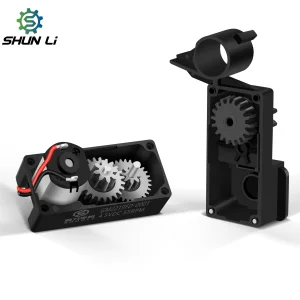
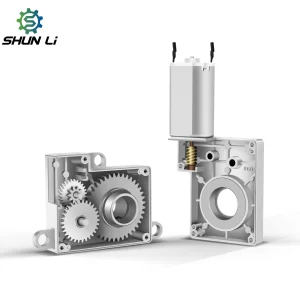
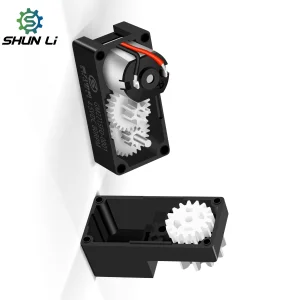
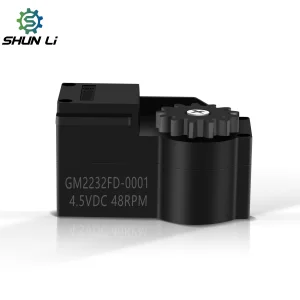
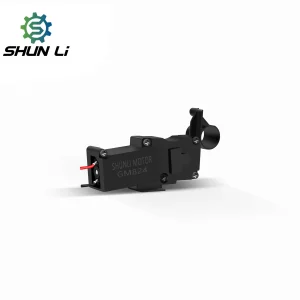
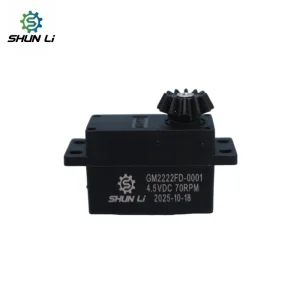
Explore our custom-configured low-noise, high-torque micro geared DC motors engineered specifically for smart home locks, commercial access control, and electronic cabinet systems.
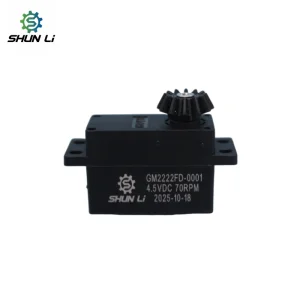
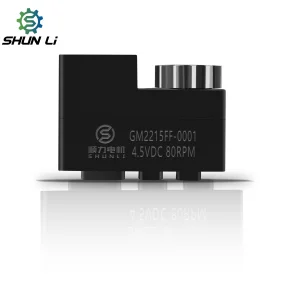
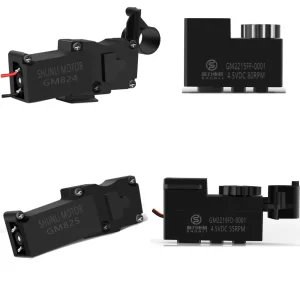
MicroDyn Motor: Built for the Motion that Matters.
Who We Are: MicroDyn Motor is a specialized High-Tech China factory established in 2006, dedicated to engineering advanced Micro DC, Gear, and Brushless (BLDC) motors.
What We Believe: The heart of every great machine is its MicroDyn Motor. If the MicroDyn Motor fails, innovation stops. That is why we engineer every drive with industrial-grade margins—ensuring higher torque, lower noise, and longer operational lifespans than standard commercial alternatives.
How We Serve You: We bridge the gap between design and volume. Through 100% custom engineering (modifying shafts, voltages, encoders, and gear ratios) and scalable automated production, we supply global OEMs with the exact motion control they need, delivered direct from the source.
Tailoring shafts, electrical winding, output speeds, gear reduction ratios, and integration of magnetic or optical encoders to fit your exact lock housing constraints.
Engineered with heavy-duty design margins to deliver higher stalling torque, lower noise profiles (<45dB), and a service life exceeding 100,000 operations.
Maximized battery performance using high-permeability copper winding and magnetic circuits, reducing standby and operational current draw.
The electronic lock market is undergoing a structural transition. Mechanical locksets are rapidly giving way to electromechanical systems integrated with biometric, RFID, Bluetooth, and cellular IoT interfaces. At the core of every intelligent lock is the micro-actuator. For lock manufacturers, sourcing the correct micro DC gear motor is not merely a component purchasing decision—it is a critical engineering path that dictates the reliability, battery life, noise levels, and market perception of the entire security ecosystem.
Global procurement teams in Europe, North America, and the Asia-Pacific region demand specific technical parameters when specifying motors for commercial and residential smart locks:
Our vertically integrated manufacturing facility in China utilizes automation and rigorous QA processes to guarantee absolute dimensional and performance consistency.
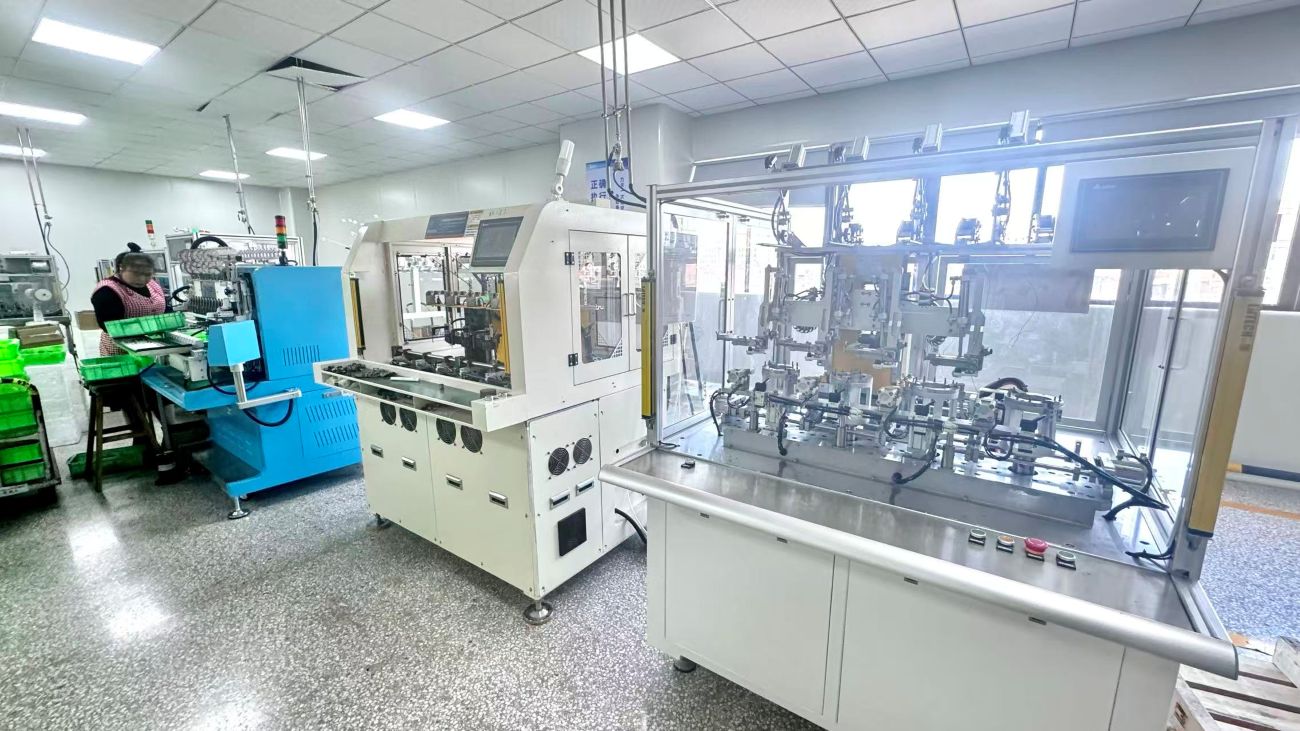



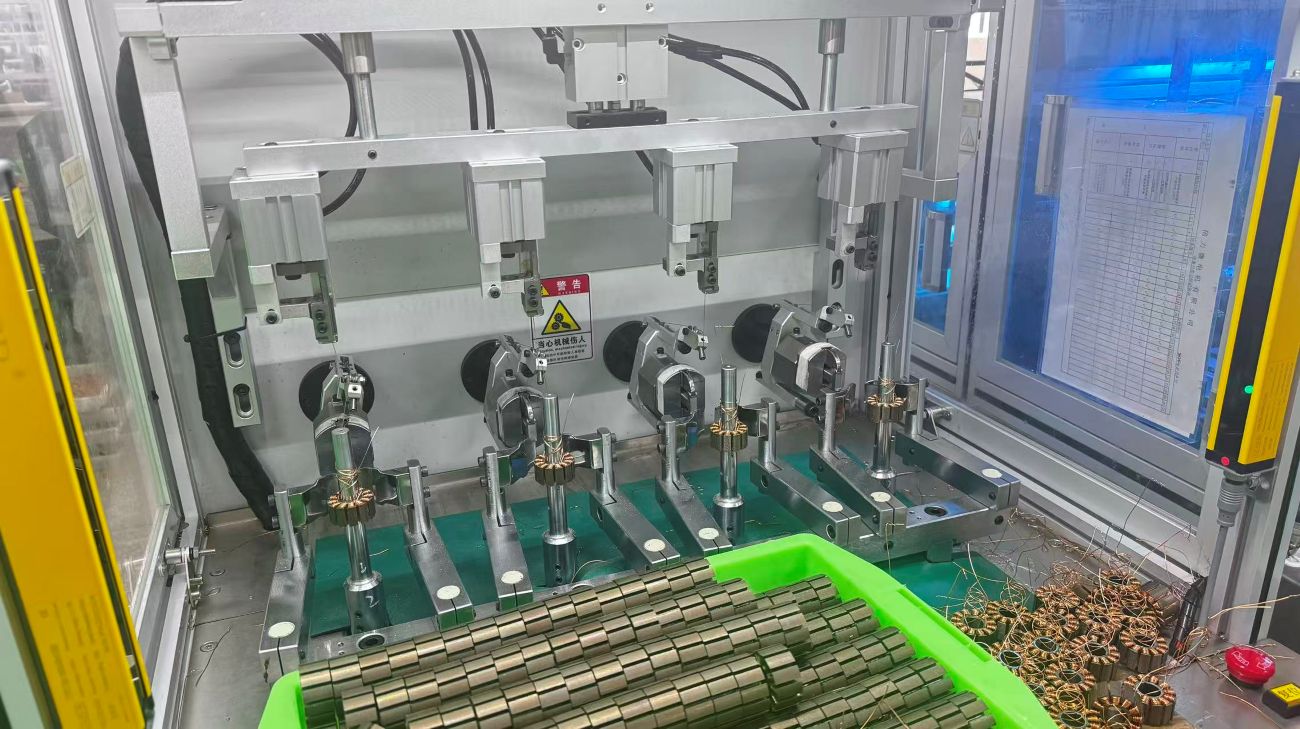
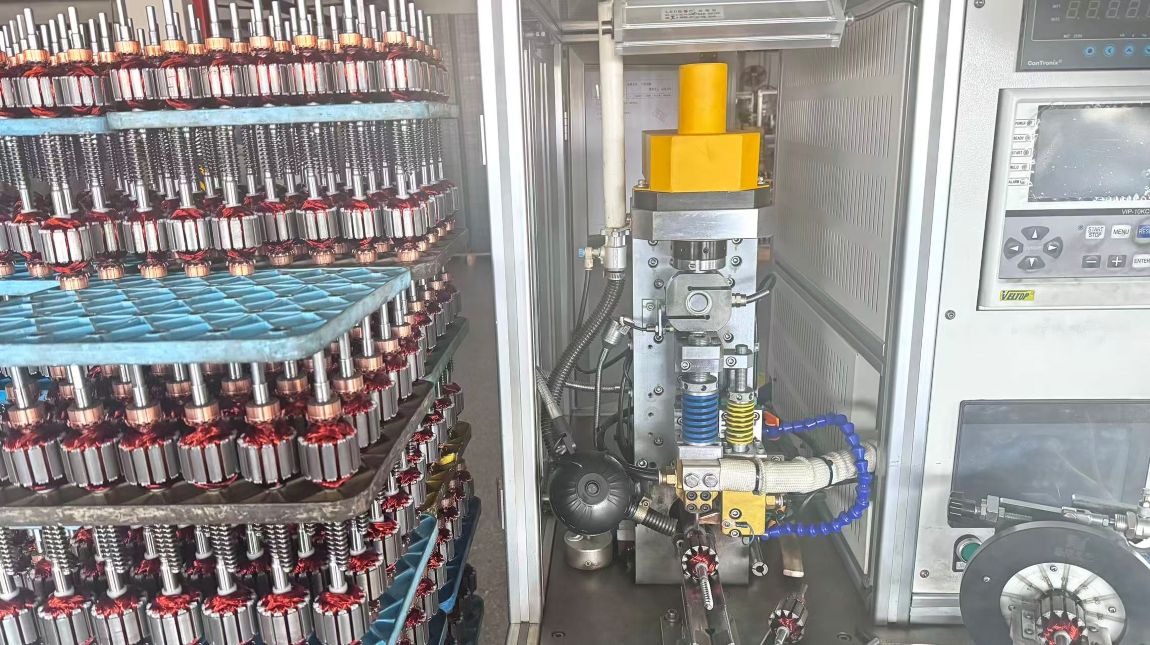
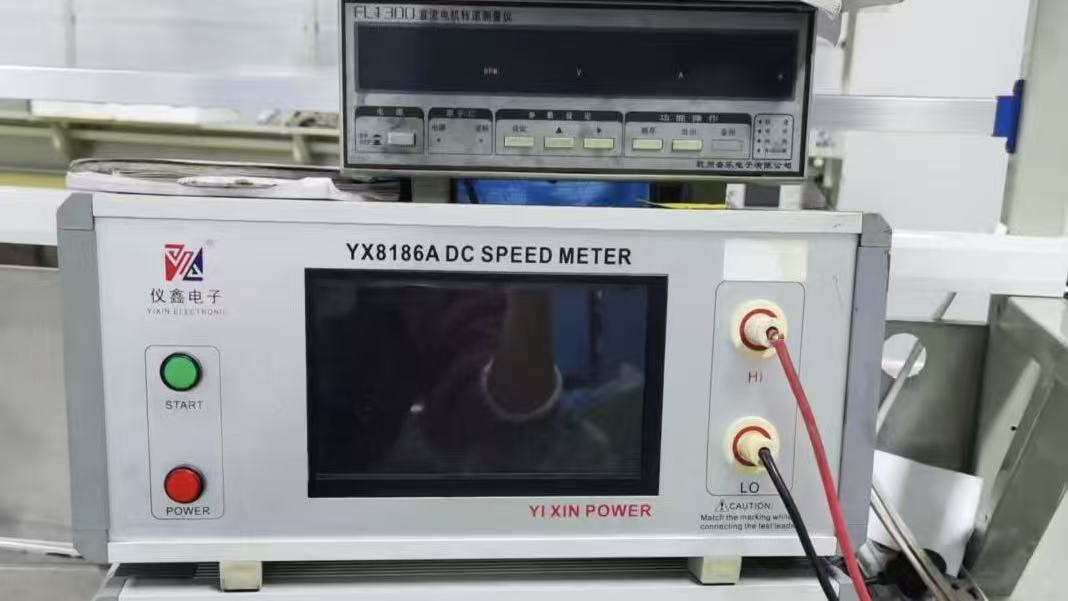
A smart lock motor operates under unique mechanical conditions. Unlike continuous-duty motors, lock actuators experience frequent start-stop cycles, rapid acceleration demands, and peak torque spikes when the deadbolt encounters resistance due to a misaligned door frame. Our engineering team designs motor configurations to withstand these transient loading conditions by optimizing the electromagnetic circuit and gear train design.
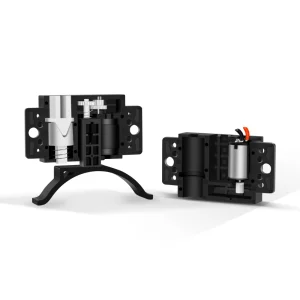
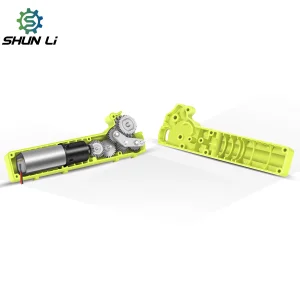
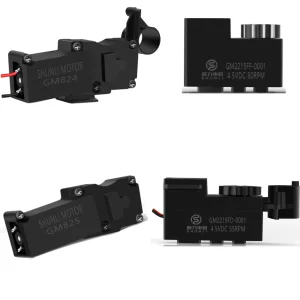
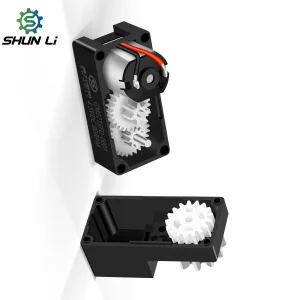
Depending on the lock mechanism design, we configure our motors with different gearbox topologies:
| Nominal Voltage | No-Load Speed | Stall Torque | Rated Current | Gear Ratio Options | Typical Smart Lock Application |
|---|---|---|---|---|---|
| 3.0V DC | 30 – 50 RPM | 1.5 kg.cm | ≤ 120 mA | 1:150 to 1:298 | Battery-powered smart home deadbolts, padlocks |
| 4.5V DC | 50 – 70 RPM | 2.0 kg.cm | ≤ 150 mA | 1:100 to 1:250 | Hotel door locksets, electronic keyless entries |
| 6.0V DC | 60 – 100 RPM | 2.5 kg.cm | ≤ 180 mA | 1:50 to 1:180 | Automated smart lock handles, office keypads |
| 12.0V DC | 80 – 240 RPM | 3.0 kg.cm | ≤ 250 mA | 1:30 to 1:120 | Commercial access control, multipoint locking bars |
As smart locks evolve to incorporate artificial intelligence, machine learning, and edge computing, the electromechanical actuators must also adapt. MicroDyn Motor is investing heavily in next-generation actuator technology to align with these trends:
Future smart locks will require real-time feedback regarding deadbolt positioning without relying on costly external limit switches. By analyzing back-EMF (electromotive force) signatures and current fluctuation spikes, our next-generation motors can determine if the deadbolt is jammed, fully retracted, or partially extended, notifying the control system to take preventive action or alert the user.
We are transitioning the gear components of our heavy-duty lines from traditional brass to advanced powder metallurgy (sintered steel) and high-performance engineering plastics (POM and carbon-reinforced nylon). This hybrid approach reduces gear-to-gear friction, lowers weight, and dampens operational high-frequency noise, while maintaining high mechanical structural integrity.
For ultra-premium smart locks, we are expanding our custom coreless and brushless DC (BLDC) motor lines. By eliminating the heavy iron core, coreless motors present exceptionally low rotor inertia, yielding near-instantaneous starting and stopping times, coupled with high efficiency. BLDC configurations remove carbon brushes entirely, extending the operational life of the actuator beyond 1 million cycles.
Understanding that smart lock manufacturers ship their products globally, MicroDyn Motor ensures full compliance with international environmental and electrical safety directives. Our motors are fully certified under CE, FCC, RoHS, and REACH frameworks. We provide detailed material documentation, localized technical assistance, and drop-ship supply chain logistics to facilitate seamless integration into lock manufacturer assembly lines across North America, Europe, and Asia.
Providing clear answers to core design and integration questions frequently raised by smart lock mechanical and hardware engineers.
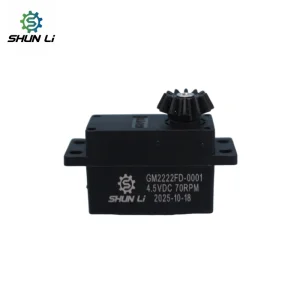
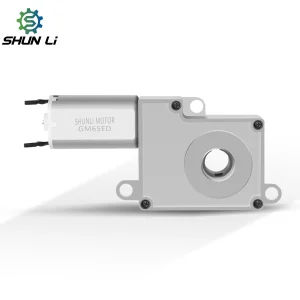
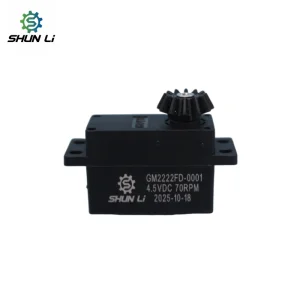
Select from our low-speed, high-torque miniature DC gear motor range designed for high-security applications, smart padlocks, and electronic access systems.
 MicroDyn Motor