Best Planetary Gear Motor Solutions for Global Buyers?

Time:2026-07-02 Author:Oliver
0%

The demand for Planetary Gear Motors continues to rise globally. According to a recent report by Research and Markets, the planetary gear motor market is projected to reach $4.1 billion by 2027, growing at a CAGR of 6.8%. This growth is driven by innovations in automation, robotics, and renewable energy industries.

Dr. Emily Chang, a leading expert in motion control technologies, emphasizes, "Planetary gear motors are essential for precise torque and speed control across various applications." This highlights their pivotal role in improving efficiency and performance in mechanical systems.

However, challenges remain. The diversity in buyer needs can lead to confusion when selecting the right solution. Global buyers need to navigate a complex landscape of options. Ensuring quality while balancing cost can be daunting. This underscores the importance of informed decision-making when choosing the best planetary gear motor solutions.
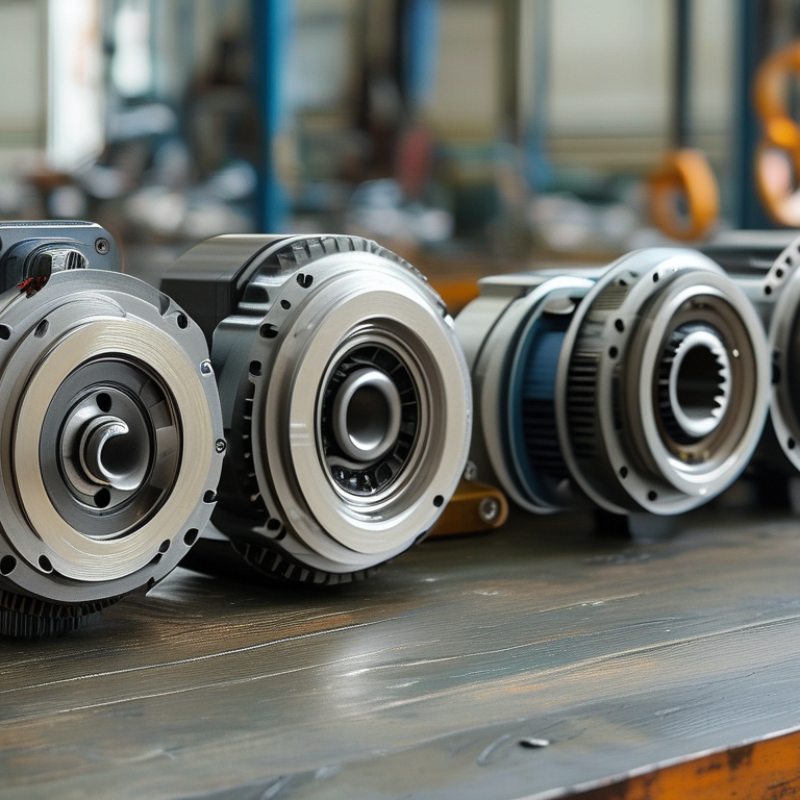
Best Planetary Gear Motor Solutions for Global Buyers?

Types of Planetary Gear Motors Available in the Market

Planetary gear motors are crucial in various applications, from robotics to automotive systems. Understanding the types available helps buyers make informed decisions. There are several common types of planetary gear motors to consider.

The first type is the standard planetary gear motor. It consists of a central sun gear, planet gears, and a ring gear. This design allows for efficient torque transmission and compact size. Another common type is the epicyclic gear motor, which features a more complex arrangement. It provides additional torque multiplication and is suitable for high-power applications. Moreover, you may encounter miniature planetary gear motors, ideal for small devices where space is limited.

When choosing a planetary gear motor, it is essential to consider the required torque and speed. Failing to match these specifications can lead to performance issues. Additionally, the mounting style and size are vital. Ensure compatibility with your application before purchasing.

Tips: Always check the manufacturer's specifications for torque ratings. This helps avoid surprises during operation. Consider consulting with experts if you're unsure. Gathering insights can save time and money in the long run. Lastly, make sure to evaluate the durability aspects. A robust design can withstand critical operating conditions.

Key Features to Consider When Selecting a Planetary Gear Motor

When selecting a planetary gear motor, several key features come into play. The efficiency rating is critical, as high efficiency translates to lower energy consumption and operational costs. Recent industry reports suggest that gear motor efficiency can impact overall system performance by as much as 25%. Optimal gear ratios must also be considered to match specific torque and speed requirements. A mismatch can lead to inefficiencies and mechanical stress.

Another essential feature is size and weight. Compact motors with high power density are often preferred in applications requiring limited space. According to a study by the International Organization for Standardization, small form-factor gear motors have gained popularity in robotics and automation sectors. However, it's vital to balance compactness with the potential heat generation, which might affect performance.

Durability and maintenance requirements cannot be overlooked. A motor's lifespan often hinges on the materials used and the environmental conditions it faces. Some motors may require regular servicing, which could lead to downtime. Assessing the reliability metrics provided by manufacturers can reveal insights into expected performance under different load conditions. This careful evaluation aids in preventing operational failures and unexpected costs.

Top Manufacturers of Planetary Gear Motors for Global Buyers

When considering planetary gear motors, understanding the top manufacturers is essential. The global market for these motors is projected to reach $4 billion by 2026. Advanced robotics and automation sectors drive this growth, demanding efficient and reliable gear systems.

Leading manufacturers focus on design and production quality to meet various application needs. They often emphasize high torque, compact size, and reliability. The precision in engineering is critical. However, not all manufacturers maintain consistent quality standards. Market analysis indicates that buyers should evaluate suppliers carefully.

Some manufacturers may cut costs at the expense of performance. Buyers need clarity on warranty and support services. The presence of multiple suppliers creates a competitive landscape, yet it can complicate decision-making. Research suggests buyers analyze technical specifications and customer reviews before committing. Reliable feedback is crucial for making informed choices.

Applications and Industries Utilizing Planetary Gear Motors

Planetary gear motors are crucial components in various industries. Their unique design allows for high torque in compact spaces. In robotics, these motors enable precise movement and control. They support improved efficiency in machinery, enhancing productivity.

In the automotive sector, planetary gear motors play a vital role in electric vehicles. They assist in smooth acceleration and deceleration. Additionally, they are used in automation systems. Here, their reliability ensures seamless operation in factories. They convert energy efficiently, minimizing waste and maximizing output.

However, selecting the right planetary gear motor can be challenging. Different applications require specific gear ratios and torque ratings. Buyers must evaluate their needs carefully. Failure to do so may lead to inefficiencies. Understanding these intricacies ensures better performance and longevity in applications.

Cost Considerations and Budgeting for Planetary Gear Motor Solutions

Cost considerations for planetary gear motors are crucial for global buyers. With the market projected to reach $3.2 billion by 2025, effective budgeting becomes paramount. According to a recent industry report, the initial purchase price often represents just 30% of the total lifetime cost of these motors. Maintenance, energy consumption, and replacement expenses should factor heavily into financial planning.

When selecting planetary gear motors, buyers must recognize the balance between quality and cost. Cheaper options may lead to higher expenses down the line. Investing in a reliable motor can decrease operational downtime. Some well-engineered solutions have shown life spans exceeding 20,000 hours, while lower-quality alternatives may fail within a few hundred hours.

Tip: Always factor in the total cost of ownership (TCO). This means considering initial costs, maintenance fees, and potential downtime.

Buyers should remain cautious. While negotiating for lower prices is tempting, the long-term value should guide decisions. A focus on engineering excellence leads to better performance.

Tip: Research and gather data on expected maintenance intervals. This information can significantly influence budget allocations for motor upkeep.

FAQS

: What should I consider when selecting a planetary gear motor?

: Efficiency is vital; it affects energy costs and performance. High efficiency may improve system output by 25%.

Why are size and weight important in choosing a gear motor?

Compact motors fit limited spaces while providing high power. But be cautious of heat generation impacting performance.

How does durability influence motor selection?

Material quality and environmental conditions affect lifespan. Regular maintenance might be needed, which can cause downtimes.

In which industries are planetary gear motors commonly used?

They are essential in robotics, automotive, and automation sectors for efficient energy conversion and precise control.

What challenges might I face when selecting a planetary gear motor?

Different applications require specific gear ratios and torque ratings. Incorrect choices can lead to inefficiencies.

How do I estimate the total cost of owning a planetary gear motor?

Consider purchase price, maintenance, energy consumption, and replacement costs. Initial price is only a small part of TCO.

Why is balancing cost and quality important?

Cheaper options could result in higher long-term costs. Reliable motors reduce downtime and provide better longevity.

What is a practical tip for budgeting for gear motors?

Always assess the total cost of ownership. Factor in initial prices and ongoing maintenance around expected use.

Conclusion

The article "Best Planetary Gear Motor Solutions for Global Buyers" provides a comprehensive overview of planetary gear motors, highlighting their diverse types and essential features for selection. Understanding the different types available in the market allows buyers to make informed decisions based on their specific needs. Key features such as torque, efficiency, and size must be carefully considered when choosing a planetary gear motor to ensure optimal performance in various applications.

Furthermore, the article discusses the significance of planetary gear motors across several industries, showcasing their versatility and importance in applications ranging from robotics to automotive. Cost considerations and budgeting are also addressed, helping global buyers to navigate pricing structures and find solutions that meet their financial constraints. Overall, this guide serves as a valuable resource for those seeking effective planetary gear motor solutions tailored to a wide array of industrial needs.

Oliver

Oliver

Oliver is a seasoned marketing professional with a wealth of expertise in driving brand awareness and engagement. With a deep understanding of our company's product offerings, he consistently delivers high-quality content that enriches our professional blog. His insights not only shed light on......