Choosing the right Electric Motor is crucial for any business aiming for efficiency and productivity. According to a recent report by Allied Market Research, the global electric motor market is projected to reach $199.64 billion by 2027. This growth highlights the increasing reliance on electric motors in various industries, from manufacturing to electric vehicles.
Expert Dr. Sarah Thompson, a leading authority in electric motor technology, emphasizes, "Selecting the correct motor can significantly influence operational efficiency." Her insight underscores the importance of aligning electric motors with specific business needs. Factors include load requirements, efficiency ratings, and operating environments.
Businesses often overlook the impact of proper motor selection, leading to inefficiencies. Many choose motors based only on initial costs, neglecting long-term performance and energy savings. This oversight can result in unexpected maintenance costs and reduced productivity. Evaluating the right Electric Motor is not just a choice; it's a strategic decision that shapes a company's future.
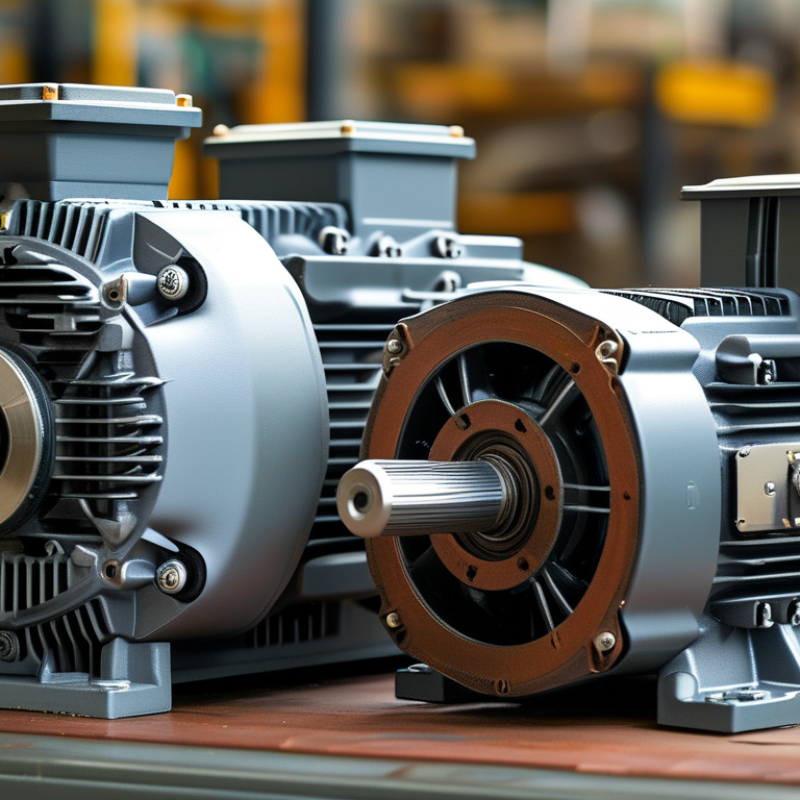
Choosing the right electric motor can be challenging. There are several types available, each suited for different applications. For example, DC motors are popular in small machinery due to their simplicity. They offer good torque at low speeds but can require more maintenance than their AC counterparts.
AC motors come in two main types: synchronous and asynchronous. Synchronous motors operate at a constant speed, making them efficient for industrial use. However, their initial cost can be high. Asynchronous motors are more common and versatile. They can handle varying loads well, but efficiency can drop under certain conditions.
When selecting a motor, consider the specific requirements of your business. Factors like load size, operating environment, and energy efficiency should influence your choice. It's important to reflect on potential trade-offs, like cost versus performance. Every option has its pros and cons. The decision should align with your long-term goals and operational needs.
When selecting an electric motor for your business, understanding power requirements is crucial. Start by analyzing your specific application. Each machine has unique demands, and powering it correctly ensures efficiency and longevity. Consider the load characteristics. Is the motor operating under consistent or variable conditions? Knowing this helps in choosing the right specifications.
Next, evaluate the torque needed during operation. This impacts the motor's size and power rating. Too little torque can lead to inadequate performance. Conversely, oversizing the motor can waste energy and increase costs. You should also factor in the duty cycle of your application. Is it continuous or intermittent? Recognizing these details will prevent costly mistakes in the long run.
Finally, reflect on the environment where the motor will operate. Conditions such as temperature, humidity, and exposure to chemicals can affect performance. Ensure the motor is rated for these factors to avoid premature failure. Balancing all these considerations will lead to a well-informed decision, ultimately enhancing productivity and reliability in your operations.
| Application | Power Requirement (kW) | Motor Type | Voltage (V) | Efficiency (%) |
|---|---|---|---|---|
| Conveyor System | 5 | AC Induction Motor | 400 | 90 |
| Pumping Station | 10 | Submersible Pump Motor | 230 | 85 |
| HVAC System | 7.5 | EC Fan Motor | 480 | 92 |
| Textile Machinery | 15 | Synchronous Motor | 480 | 95 |
| Food Processing | 20 | Variable Frequency Drive Motor | 380 | 88 |
Assessing efficiency ratings and performance metrics is crucial when selecting the right electric motor for your business. Efficiency ratings indicate how much electrical energy gets converted into mechanical energy. Higher efficiency means lower energy costs. For instance, a motor with an efficiency rating above 90% can significantly reduce operational expenses. However, assessing this metric alone can be misleading.
Performance metrics encompass more than just efficiency. Torque, RPM, and load capacity matter too. You could choose a motor with high efficiency, but if it underperforms in torque, it may not meet your needs. Balancing these factors can be challenging. Each application has unique requirements that demand careful consideration. You may need to reassess your priorities based on industry standards and real-world performance.
Over time, many businesses experience a performance gap between expected and actual outcomes. This gap often stems from misaligned motor specifications. Collecting data from previous projects offers insight. Ensure you're considering both long-term operational costs and immediate performance needs. Mistakes in motor selection can lead to inefficiencies that impact your bottom line.
Choosing the right electric motor requires careful consideration of environmental conditions and installation space. The performance of an electric motor can be significantly impacted by temperature, humidity, and dust levels. For example, motors operating in high humidity environments may face condensation issues, leading to corrosion. According to industry reports, almost 30% of electric motor failures are linked to environmental factors.
Installation space is equally crucial. Motors come in various sizes, and their configuration must fit your specific setup. A cramped space can restrict airflow, raising the operating temperature and decreasing efficiency. Industry standards suggest that motors should have a minimum clearance of 12 inches for optimal ventilation. Furthermore, inadequate space can complicate maintenance tasks, which can lead to increased downtime and repair costs.
Evaluating these factors can be challenging. Many businesses overlook the importance of regularly assessing their operational environment to ensure alignment with motor specifications. Ignoring this can result in costly mistakes. Engaging with experts in electric motor applications can provide clarity and guidance. Utilizing simulation tools can further enhance decision-making. Real-world feedback from other users can also illuminate potential pitfalls and best practices.
When selecting an electric motor, budgeting is crucial. The initial purchase price often captures most attention. However, long-term maintenance costs can significantly impact overall expenses. According to industry reports, maintenance costs can account for up to 40% of a motor's total ownership cost over its lifespan. This makes careful consideration essential.
Inspecting specifications like efficiency ratings is vital. A more efficient motor may cost more upfront but save on energy bills. The Department of Energy states that upgrading to high-efficiency motors can result in energy savings of 3% to 8%. These savings can offset initial costs over time.
Consider the environment where the motor will be used. Harsh conditions can lead to higher wear and tear, increasing maintenance needs. Routine inspections are recommended. Most experts suggest bi-annual maintenance checks to catch potential issues early.
Maintaining a balance between cost and quality is key. It's tempting to go for the lowest price, but this could lead to higher long-term costs. A thorough cost analysis helps avoid regrettable choices later on. Remember to evaluate the total lifetime costs before finalizing your purchase.
: It ensures efficiency and longevity tailored to specific machine needs.
Load conditions impact the specifications needed for optimal performance.
The correct torque prevents inadequate performance and energy waste.
Recognizing if it's continuous or intermittent avoids costly mistakes.
Factors like temperature and humidity can lead to operational failures.
Cramped spaces restrict airflow, raise temperatures, and decrease efficiency.
It helps ensure motor specifications align with current conditions.
Consulting experts and using simulation tools can enhance decision-making.
Ignoring this can lead to premature failure and increased downtime.
Forgetting to allow adequate clearance can complicate maintenance tasks.
Choosing the right electric motor for your business involves several critical considerations. First, it is essential to understand the different types of electric motors available, as each type offers unique benefits tailored to specific applications. Evaluating power requirements is crucial to ensure that the motor can adequately meet your operational needs while maintaining efficiency.
In addition to performance metrics, it's important to assess the efficiency ratings of the electric motors you are considering. Environmental conditions and available installation space also play a significant role in the selection process. Finally, budgeting for the initial purchase and the long-term maintenance costs will ensure that the electric motor you choose offers both value and reliability over time. By carefully analyzing these factors, you can select the most suitable electric motor to enhance your business operations.