When embarking on a project that requires a DC motor, the choice can seem overwhelming. David Smith, a renowned expert in the field, once stated, "Selecting the right DC motor can make or break your project's success." His insight resonates in a market flooded with options, highlighting the importance of making informed decisions.
In this dynamic world of engineering, understanding the specific needs of your application is essential. Many factors influence the selection of a DC motor, including size, voltage, and torque requirements. Each detail matters. A well-chosen motor can enhance performance, efficiency, and longevity, while a poor choice can lead to complications and costs that spiral out of control.
The balance between power and precision can often be intricate. With myriad options available, taking the time to gather the right information is crucial. A reliable selection not only ensures optimal functionality but also emphasizes the importance of aligning technology with purpose. Given the stakes, reflecting on these tips will guide you in choosing the perfect DC motor for your project.
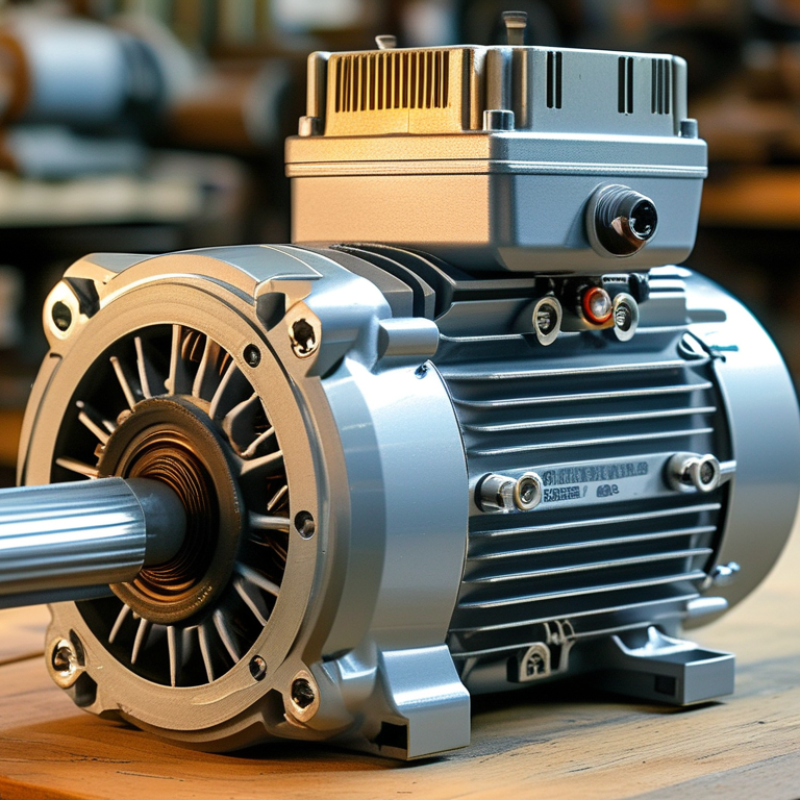
Understanding the Basic Types of DC Motors and Their Applications
When choosing a DC motor for your project, understanding the different types is vital. The two main categories are brushed and brushless motors. Brushed motors are simpler, using carbon brushes to conduct electricity. They are often more cost-effective and suitable for applications where space is limited. Reports suggest that brushed motors remain prevalent in hobby projects due to their affordability and ease of use.
On the other hand, brushless DC motors are gaining popularity. They offer higher efficiency, longer lifespan, and less maintenance. According to a recent industry report, brushless motors account for about 45% of the DC motor market because of their performance. They are ideal for applications like drones and robotics, where efficiency and precision are crucial.
Tip: Before selecting a motor, assess your project’s power requirements. Understand the voltage and current needed for optimal performance. Another essential factor is the load type. Heavier loads demand more powerful motors, while lighter applications can use smaller options. Determine your project's specific needs to make an informed decision.
DC Motor Types and Their Typical Applications
This chart illustrates the various types of DC motors and their corresponding common applications in different projects. Understanding the versatility of each type can help you choose the right motor for your specific needs.
Key Specifications to Consider: Voltage, Current, and Power Ratings
When selecting a DC motor, understanding voltage, current, and power ratings is essential. Voltage indicates the electric potential needed to power the motor. Each project has specific voltage requirements. A mismatch can lead to underperformance or overheating. Ensure the motor’s voltage rating matches your power supply to avoid complications.
Current ratings determine how much electrical current the motor draws. High current ratings can indicate powerful motors, but they also require robust power supplies. A motor drawing too much current may burn out quickly. You may want to monitor current draw during operation to ensure it aligns with expectations.
Power ratings combine voltage and current to quantify the motor's output capability. This measurement usually appears in watts. Understanding power requirements helps in choosing a motor that meets project demands. Overestimating needs can result in wasted resources, while underestimating may lead to failure. Make sure to calculate the total power needed for your entire system for optimal performance.
Evaluating Torque Requirements for Optimal Performance in Your Design
Choosing the right DC motor requires a thorough understanding of torque requirements. Torque is the rotational force needed to turn an object. For many projects, precise torque calculations are essential for achieving optimal performance. Understanding the load the motor must overcome is crucial. This involves analyzing the weight of the components and any friction in the system. Aim for a torque that can handle the maximum load your design may experience.
Consider using torque curves from datasheets to make informed choices. These curves show how torque varies with motor speed. They highlight the trade-offs between speed and torque in various models. Sometimes, you may find a motor performs well at lower speeds but struggles at higher speeds. It’s important to match the motor's characteristics with your project's needs.
Don't neglect to test the motor in real conditions. Prototyping helps validate theoretical calculations. You may find unexpected behaviors that challenge initial assumptions. Always be prepared to iterate your design based on performance testing. Adjust your torque and power requirements as needed. Finding the right balance ensures your project remains efficient and effective.
The Importance of Motor Speed and Control Methods in DC Motor Selection
When selecting a DC motor, understanding motor speed and control methods is crucial. The speed of the motor directly affects the performance of your project. Higher speeds can improve efficiency but may also lead to instability. It's essential to find a balance that meets your specific needs. The right speed range ensures your system operates smoothly.
Control methods also play a significant role in motor selection. A straightforward on/off control system may suffice for some applications. However, for tasks requiring precision, consider using pulse width modulation (PWM) or variable voltage control. These methods allow for fine-tuning of speed, giving you more versatility. Evaluate your project requirements carefully. What works perfectly for one setup may not work for another. Proper testing is vital to avoid potential disruptions.
Many engineers overlook the compatibility between motor speed and control techniques. This can lead to over-engineering or inadequate functionality. It's essential to reflect on your unique project demands before finalizing any choice. Understanding these elements can significantly enhance your project's efficiency and reliability.
Top 10 Tips for Choosing the Right DC Motor for Your Project
| Tip Number |
Tip Description |
Speed Control Method |
Common Applications |
| 1 |
Determine the required torque and speed for your application. |
PWM (Pulse Width Modulation) |
Robotics, Electric Vehicles |
| 2 |
Consider the size and weight constraints of your project. |
Variable Resistor |
Drones, Toys |
| 3 |
Evaluate power supply and voltage requirements. |
H-Bridge Circuits |
Conveyor Systems, Automation |
| 4 |
Research the efficiency of different motor types. |
Feedback Control |
Industrial Equipment, CNC Machines |
| 5 |
Consider the duty cycle of your application. |
Closed Loop Control |
Printing, Milling |
| 6 |
Assess ambient conditions like temperature and humidity. |
Analog Signals |
HVAC Systems, Marine Applications |
| 7 |
Examine the motor's lifespan and maintenance requirements. |
PID Control |
Medical Devices, Home Appliances |
| 8 |
Check for the availability of compatible controllers and drivers. |
Speed Sensors |
Robotics, Automotive Applications |
| 9 |
Analyze the motor's noise and vibration characteristics. |
Closed-Loop Stepper Control |
Home Automation, Robotics |
| 10 |
Review the cost-benefit ratio of different motor options. |
Servo Control |
Agricultural Machinery, Manufacturing |
Assessing Environmental Conditions for Suitable DC Motor Choices
When choosing a DC motor for your project, it's essential to assess environmental conditions. Motors are often exposed to various factors like temperature, humidity, and dust.
High temperatures can lead to overheating, reducing motor lifespan. Low humidity levels can create static, which might affect performance. Understanding the environment helps in making informed choices.
Consider the potential interference from dust or moisture. A motor in a dusty factory requires better sealing than one used in clean indoor conditions.
Additionally, if your project involves outdoor exposure, weather-resistant designs become crucial. Examine the vibrations and shocks in the environment too.
Motors that can withstand these conditions are key for longevity.
Neglecting these factors can result in significant failures. Choosing a motor without assessing its conditions
may lead to operational challenges. It is easy to overlook the impact of the surrounding environment.
Observation and careful evaluation of each aspect can pave the way for suitable choices.
Prioritize environmental assessments to enhance project success and reliability.
Conclusion
Choosing the right DC motor for your project involves understanding the basic types and their applications, which can significantly impact your design's effectiveness. Key specifications such as voltage, current, and power ratings are crucial, as they determine the motor's capability and compatibility with your system. Evaluating torque requirements ensures optimal performance, while considering motor speed and control methods aids in fine-tuning your design for better efficiency.
Additionally, assessing environmental conditions is vital to select a suitable DC motor that can withstand specific challenges, such as temperature variations and humidity levels. By carefully considering these aspects, you can make an informed decision that aligns with your project's needs, leading to improved performance and reliability in your applications.

 MicroDyn Motor