Selecting the right DC Gear Motor can significantly impact the efficiency of your machinery. The global gear motor market is projected to reach $18.66 billion by 2027, as reported by industry analysts. This rapid growth highlights the importance of making informed decisions when choosing a motor for your specific application.
DC Gear Motors are essential in various industries, from robotics to automotive. Understanding the different specifications and applications is crucial. Many factors influence the choice, such as torque requirements, speed, and energy efficiency. Yet, common pitfalls exist. For instance, overestimating the motor’s power can lead to waste and increased costs.
Make sure you consider the environment where the motor operates. Environmental factors can affect performance and longevity. A poorly chosen DC Gear Motor might face overheating or mechanical failures. Thus, systematic evaluation is key to optimizing performance. Emphasizing reliability is paramount in today's competitive landscape.
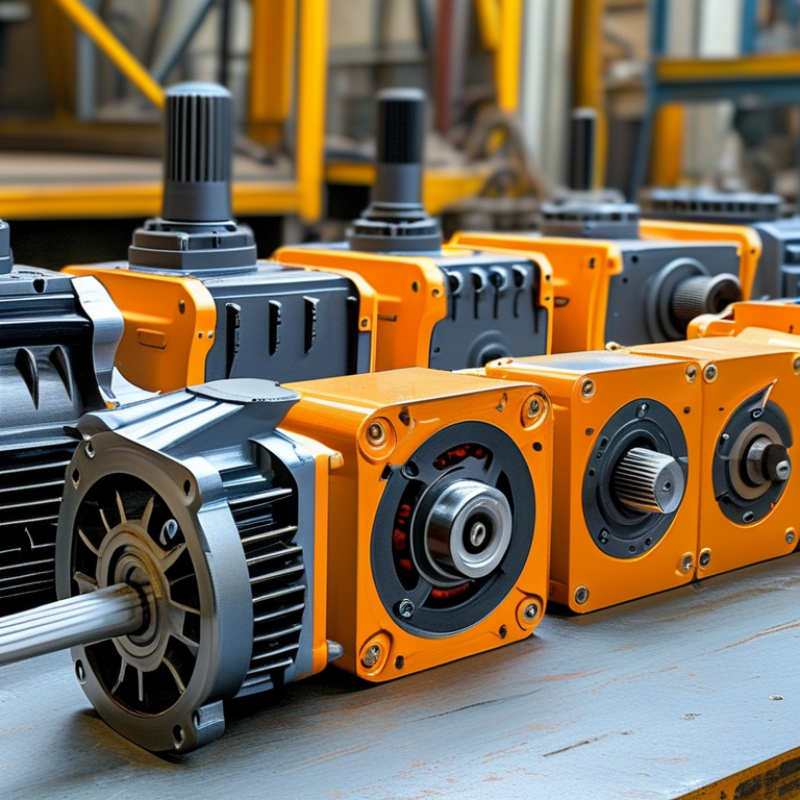
Understanding application requirements is crucial when selecting a DC gear motor. Various applications demand different specifications. Consider speed, torque, and size. A motor that works well for one project may not perform suitably in another. For instance, robotics might require high torque at slower speeds, while fans might need higher speeds with lower torque.
Evaluate the environment too. Temperature and humidity can affect motor performance. A motor working in a dusty area might need protection from particles. Noise levels can also be an issue. A silent operation is vital in some settings. Reflecting on these factors helps narrow down your choices.
Don't overlook the control mechanism. Some applications may require precise speed regulation. Others might need simple on-off control. Understanding this can streamline your selection process. Experience teaches that overlooking any detail can lead to poor performance. Take your time to analyze every requirement thoroughly.
| Tip | Description | Considerations |
|---|---|---|
| 1. Define Your Application Requirements | Identify the specific tasks the motor will perform, including load requirements and duty cycle. | Assess factors like torque, speed, and environmental conditions. |
| 2. Select the Right Gear Ratio | Choose a gear ratio that balances speed and torque for optimal performance. | Higher ratios increase torque but decrease speed and vice versa. |
| 3. Evaluate Motor Size and Weight | Consider the physical space restrictions and weight distribution in your design. | Ensure the motor fits without compromising structural integrity. |
| 4. Check Voltage and Current Ratings | Match the motor's voltage and current specifications to your power supply. | Avoid overloading the motor by ensuring compatibility with your system. |
| 5. Consider Cooling and Mounting Options | Assess how to properly mount the motor for stability and cooling efficiency. | Inadequate cooling can lead to overheating and damage. |
: Different applications have unique specifications like speed, torque, and size. This impacts motor performance.
Temperature and humidity can influence performance. Dusty areas require motors with protective features.
Some projects need precise speed control, while others require simple on-off operation. Identify your needs clearly.
Higher voltage often results in increased speed and power. However, exceeding voltage ratings can damage the motor.
High speeds can compromise torque. Evaluate the required load to select the right speed for your application.
Torque measures the motor's ability to perform work. Low torque motors may fail under high power requirements.
An appropriate gear ratio enhances torque and controls speed. It affects efficiency and overall motor performance.
Understanding load behavior helps predict performance. Misjudging load requirements can lead to inefficiency or underperformance.
Testing your choice is critical. If it doesn’t fit, be open to adjustments and explore other options.
Real-world applications enhance understanding. Reflecting on past choices helps refine future decisions for optimal performance.
When selecting a DC Gear Motor, it is crucial to start by understanding your specific application requirements. This includes evaluating important motor specifications such as voltage, speed, and torque to ensure the motor meets the demands of your project. Additionally, choosing the right gear ratio is vital for achieving optimal performance, as it directly impacts the efficiency and output of the motor.
Another important consideration is the size and form factor of the DC Gear Motor, which should align with your spatial constraints and design needs. Lastly, assessing the reliability and reputation of the manufacturer is essential to ensure you make a sound investment. By following these tips, you can confidently choose a DC Gear Motor that will effectively support your project's goals.

 MicroDyn Motor