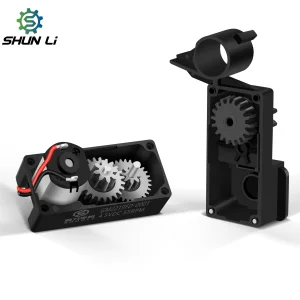
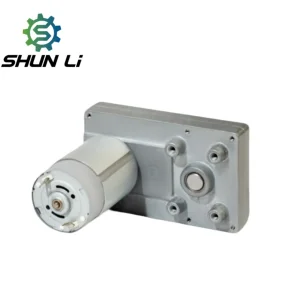
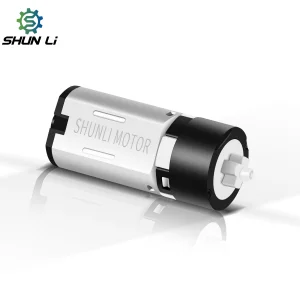
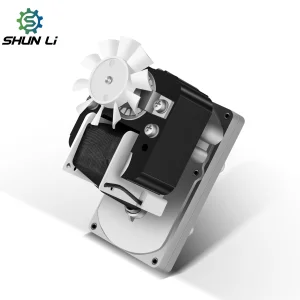
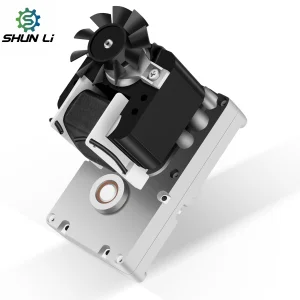
High-performance direct drive technologies and planetary gear motors designed for severe industrial applications.
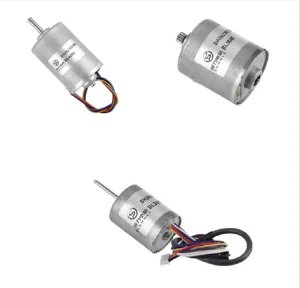
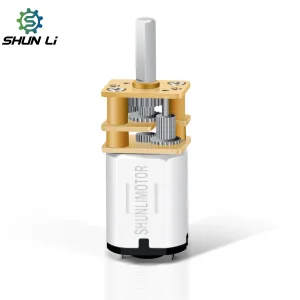
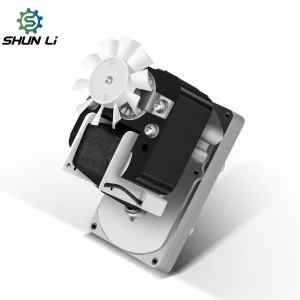
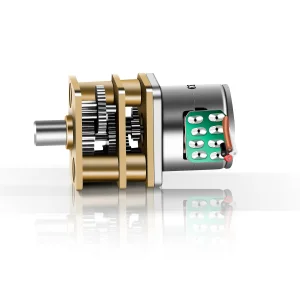
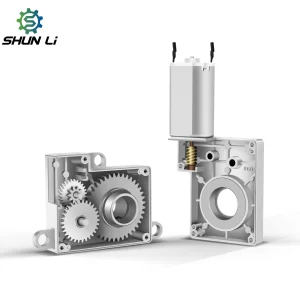
MicroDyn Motor is a specialized High-Tech China factory established in 2006, dedicated to engineering advanced Micro DC, Gear, and Brushless (BLDC) motors. Our core engineering principle is absolute reliability. We believe that the heart of every great machine is its drive system: if the motor fails, innovation stops.
That is why we engineer every system with industrial-grade safety margins—ensuring higher torque, lower operational noise, and significantly longer lifespans than generic commercial alternatives. We bridge the gap between initial design and high-volume manufacturing by offering 100% custom-tailored modifications: including shafts, voltages, integrated encoders, custom planetary gearheads, and specialized CE-compliant motor controllers.
Analyzing the macro-economic and engineering demands that drive component selection for Tier-1 industrial buyers.
In the era of rapid automation, the global integration of drive systems demands not just mechanical reliability, but absolute compliance with strict regulatory frameworks. For procurement officers and design engineers across Europe, North America, and APAC, sourcing a CE Certified Motor Controller is a mandatory checkpoint to mitigate liability, ensure electromagnetic compatibility (EMC), and assure operational safety under the Low Voltage Directive (LVD).
CE marking verifies that the motor controllers comply with strict European directives including 2014/30/EU (EMC) and 2014/35/EU (LVD), protecting your brand from custom holds and costly compliance audits.
By integrating thermal protection, over-current cutoff, and regenerative braking control directly into the controller, systemic MTBF (Mean Time Between Failures) is multiplied, reducing lifetime service costs.
Global OEMs rarely find a one-size-fits-all controller. MicroDyn Motor integrates specialized drive algorithms, CAN bus, Modbus, or analog inputs into a tailored PCB footprint optimized for your machine.
Our metrics represent real industrial compliance standards achieved through advanced automated manufacturing.
Selecting the correct control architecture is vital for minimizing torque ripple, lowering electromagnetic emissions, and thermal stability.
| Design Parameter | MicroDyn Motor Custom Controller | Standard Off-the-Shelf Controllers | Impact on Application performance |
|---|---|---|---|
| EMC Mitigation | Integrated EMI filters & shielded circuitry (CE EN 61000-6-3) | Minimal filtering; external chokes often required | Reduces sensor interference in adjacent circuits |
| Thermal Management | Direct-bonded copper substrate & thermal derating algorithms | Basic FR4 PCB; passive cooling relies on sizing | Ensures uninterrupted continuous operation under load |
| Feedback Interfaces | Hall sensors, Incremental Encoders, BiSS/SSI absolute encoders | Simple Hall sensor feedback or sensorless only | Improves angular positioning accuracy in robotics |
| Bus Communication | CANopen, RS485 (Modbus), or direct analog PWM inputs | Basic PWM or analog voltage control only | Allows integration into industrial PLC architectures |
Quality is not inspected into our motors; it is built into the process. We operate high-speed automated lines under rigorous ISO9001 control.
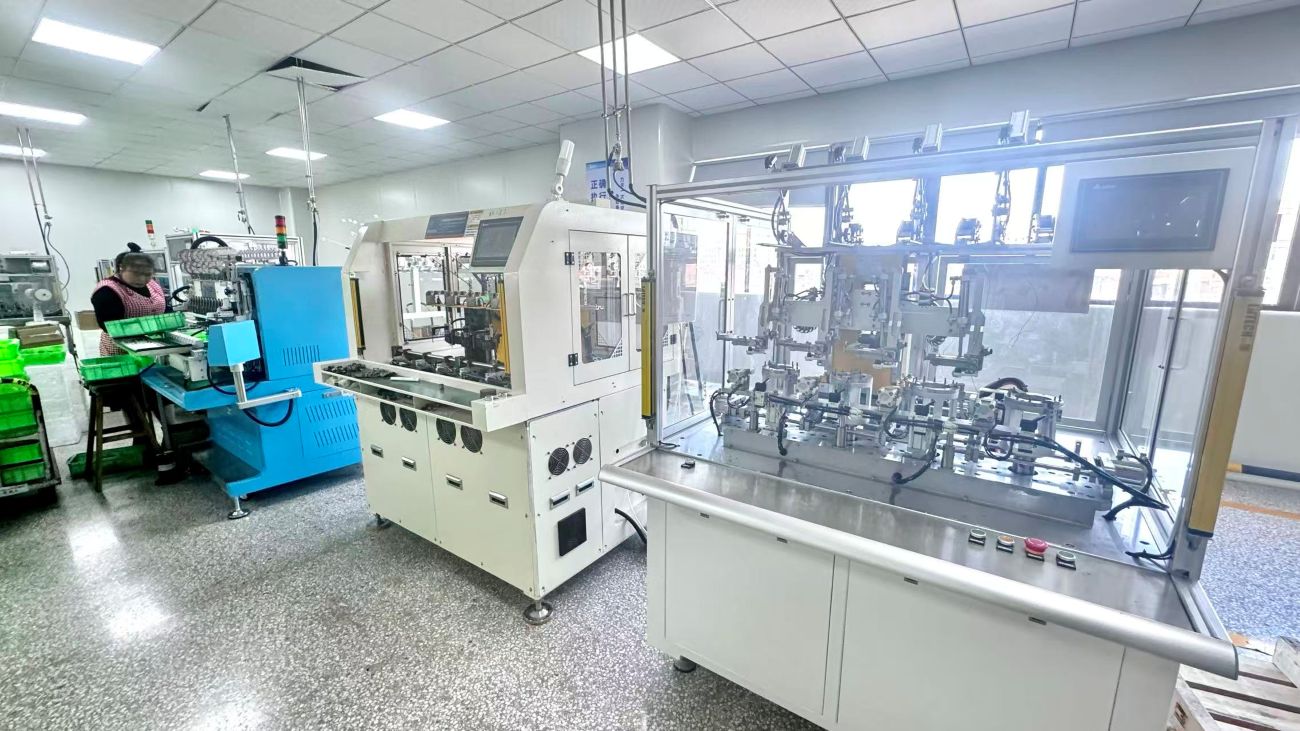
High-density copper wire winding ensures maximized slot-fill factor, reducing copper losses and optimizing heat dissipation.

Cleanroom environment assembly prevents microscopic magnetic particles from contaminating the air gap.

100% inspection of noise, vibration (NVH), cogging torque, and back-EMF profiles before shipping.

Temperature and humidity-controlled warehousing ensures no deterioration of key mechanical components.
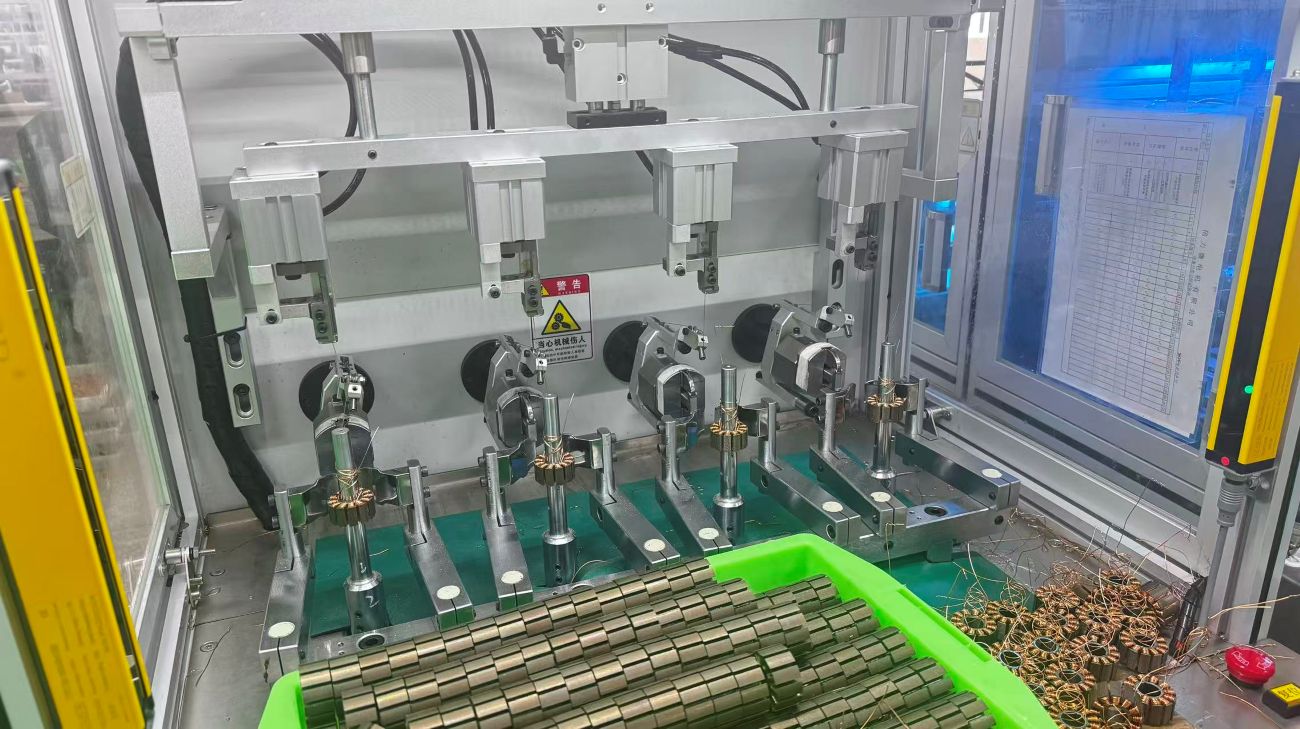
Computerized multi-pole winding technology delivers uniform wire tension and exact turn counts.
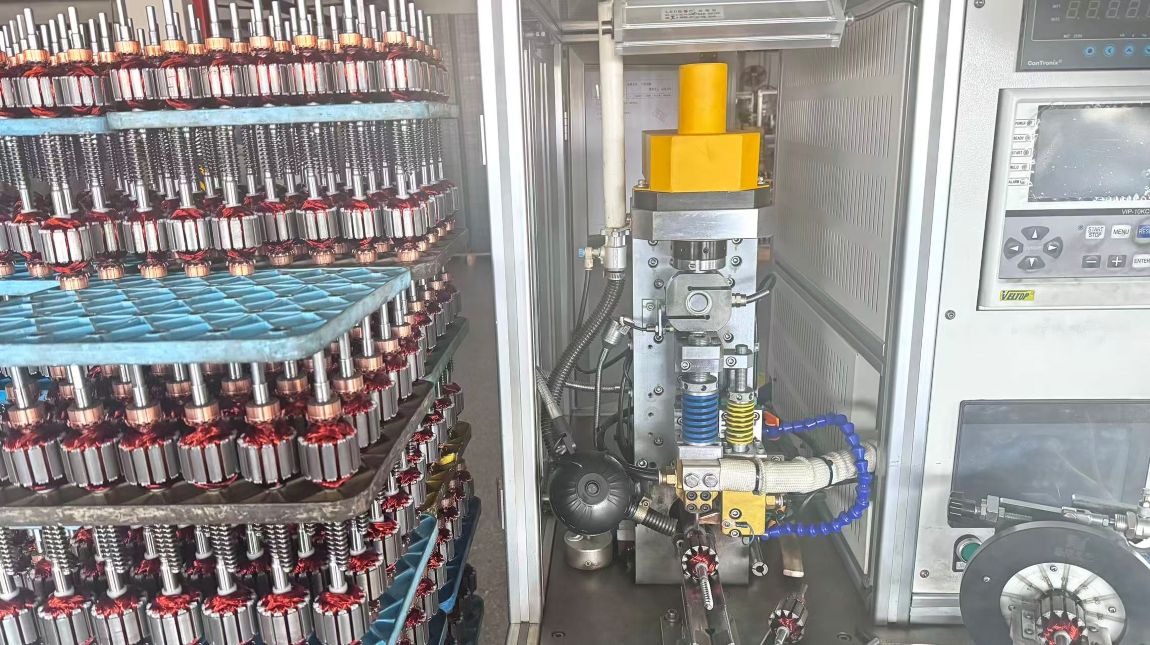
Stable electric contact connection between commutator bars and coils prevents detachment at high speeds.
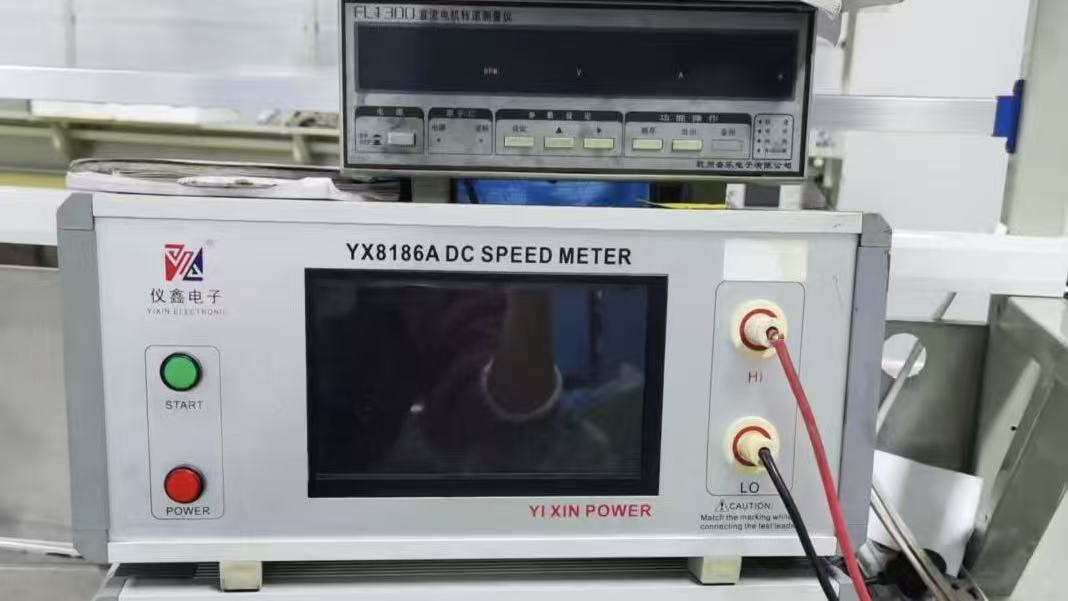
Automated visual testing checks thermal fusion spots to ensure long term rotor reliability under start-stop profiles.
Transitioning from simple trapezoidal control to smart Field Oriented Control (FOC) at the edge.
The motor controller market is undergoing a structural transition. Brushed DC motors, while still valued for their simplicity and cost-effectiveness in low duty-cycle applications (such as window actuators, automated locks, and valve actuators), are increasingly giving way to Brushless DC (BLDC) systems. This transition is primarily driven by the demand for higher power density, lower electromagnetic interference (EMI), and maintenance-free operation.
Traditional BLDC controllers utilize trapezoidal commutation, switching phase currents abruptly based on Hall sensor states. This creates torque ripple and acoustic noise. Modern CE-compliant industrial controllers leverage Field Oriented Control (FOC). By resolving three-phase currents into orthogonal torque-producing and flux-producing vectors, FOC enables smooth sinusoidal currents. This maximizes efficiency, eliminates torque pulsations, and allows precise control at extremely low speeds (even down to single-digit RPMs).
Furthermore, advanced algorithms calculate rotor position by estimating the Back Electromotive Force (Back-EMF) or tracking stator inductance variations. This eliminates the necessity of physical Hall sensors, reducing wiring complexity and removing a primary failure point in harsh environments.
Industry 4.0 demands that every actuator communicates its health status. Modern motor controllers do not simply receive speed commands; they report parameters like phase currents, temperature, voltage ripple, and torque estimations. By integrating local computing chips, controllers can identify mechanical anomalies (such as gearbox backlash or load binding) and issue preventative maintenance alerts before physical damage occurs.
Tailoring drive controls for targeted application environments across vertical sectors.
Dual-channel BLDC controllers with integrated magnetic encoders enable micro-positioning accuracy in autonomous guided vehicles (AGVs) and robotic arms. Real-time PID loop adjustments prevent tracking errors during changes in pay-load weight.
Low-noise, vibration-free operation is mandatory for surgical drills and infusion pumps. Precision controllers with sinusoidal driving profiles prevent structure-borne noise, keeping medical devices quiet and highly reliable.
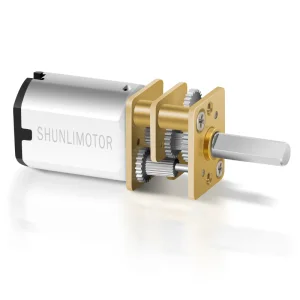
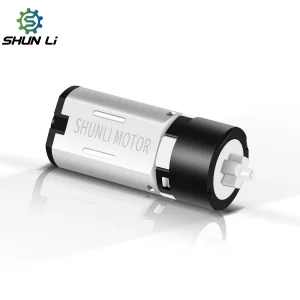
Miniature gear motors with integrated limit-switches and torque sensors provide anti-pinch protection in smart motorized doors, automated locks, office desk adjusters, and smart valving systems.
HVAC flaps, electronic parking brakes, and active grill shutters require controllers that comply with automotive ISO 26262 functional safety and CISPR-25 class 5 EMI limits, operating continuously in temperatures from -40°C to +125°C.
Avoid legal liability and custom delays by understanding the underlying regulatory directives for motor control systems.
A simple self-declaration of CE compliance is insufficient for high-risk industrial integrations. When sourcing motor controllers from global suppliers, you must demand a certified Technical Construction File (TCF) demonstrating compliance with the following regulations:
MicroDyn Motor provides complete technical testing reports, certified laboratory evaluations, and schematic disclosures under strict non-disclosure agreements (NDAs) to support your engineering team during final machine validation.
Common technical questions resolved by our application engineering department.
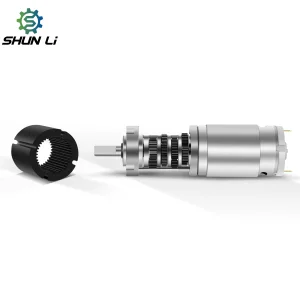
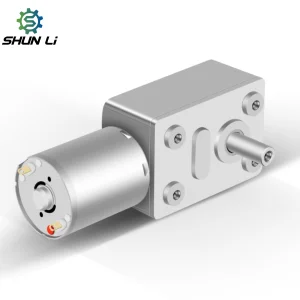
Heavy-duty gearboxes, asynchronous shaded pole drives, and high-precision magnetic encoder configurations.
 MicroDyn Motor