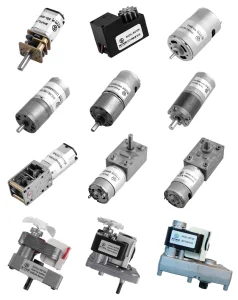
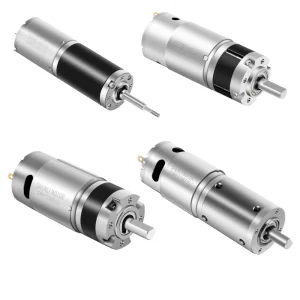
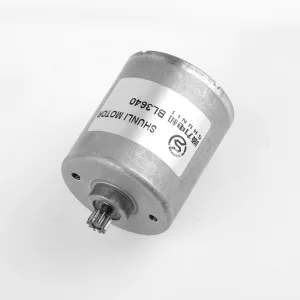
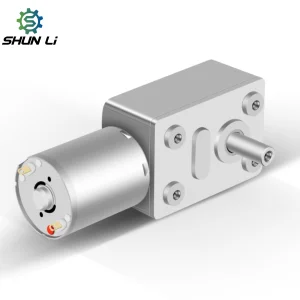
Explore our elite range of industrial-grade micro motors designed for high torque, low noise, and maximum operational lifecycle.
Who We Are: MicroDyn Motor is a specialized High-Tech China factory established in 2006, dedicated to engineering advanced Micro DC, Gear, and Brushless (BLDC) motors. Over the past two decades, we have evolved from a local component manufacturer to a global solutions architect in precise electro-mechanical actuation.
What We Believe: The heart of every great machine is its MicroDyn Motor. If the motor fails, innovation stops. That is why we engineer every drive with industrial-grade margins—ensuring higher torque, lower noise, and longer operational lifespans than standard commercial alternatives. Our commitment is rooted in engineering integrity, ensuring that our products perform reliably under critical duty cycles.
How We Serve You: We bridge the gap between design and high-volume manufacturing. Through 100% custom engineering (modifying shafts, voltages, encoders, and gear ratios) and scalable automated production, we supply global OEMs with the exact motion control they need, delivered direct from our state-of-the-art facilities in China.
In modern industrial sourcing, engineers and procurement officers do not just look for motors; they look for thermal efficiency, optimized cogging torque, and reliable supplier supply chains. This document serves as a comprehensive technical guide on why high-efficiency micro-motors from China are shaping global robotics, medical devices, and smart-home applications.
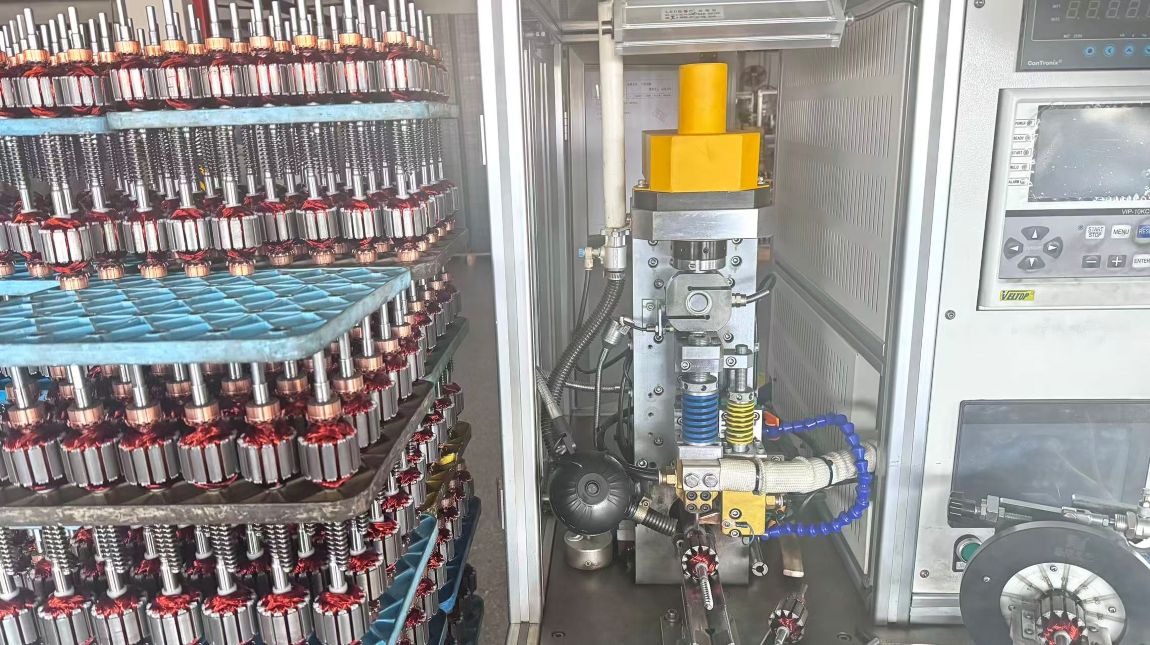
The reliability of a micro-motor is determined by the repeatability of its manufacturing processes. At MicroDyn Motor, we have invested heavily in automated precision equipment to minimize human error and achieve micro-level tolerances. Below is a detailed look at our core processes:
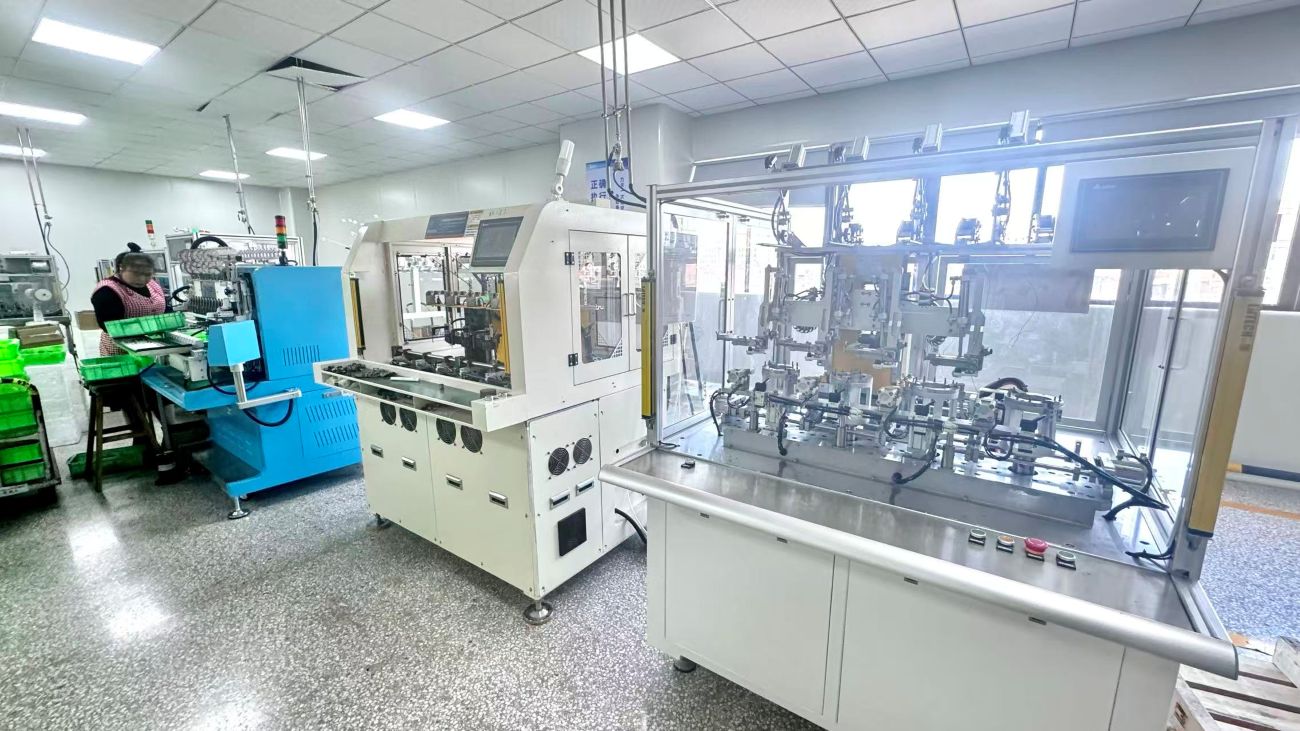
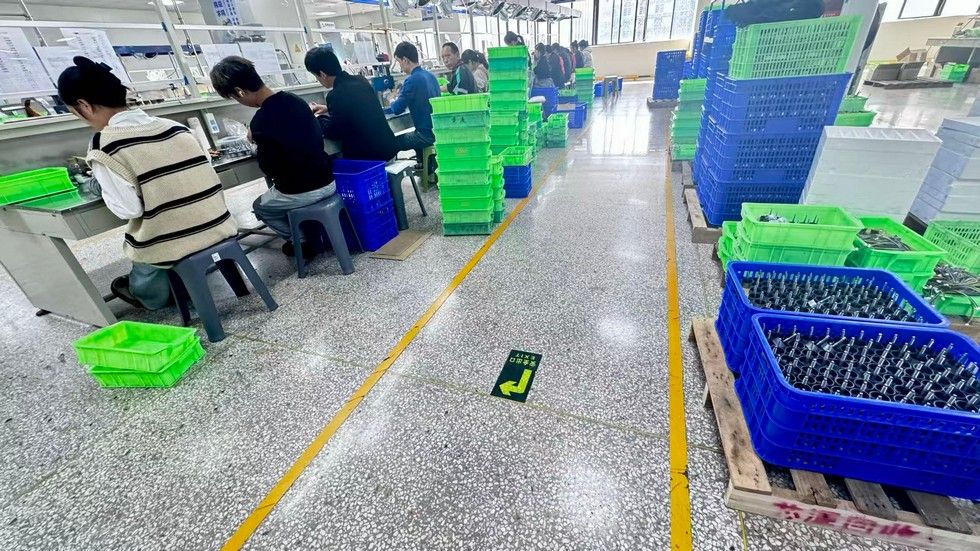
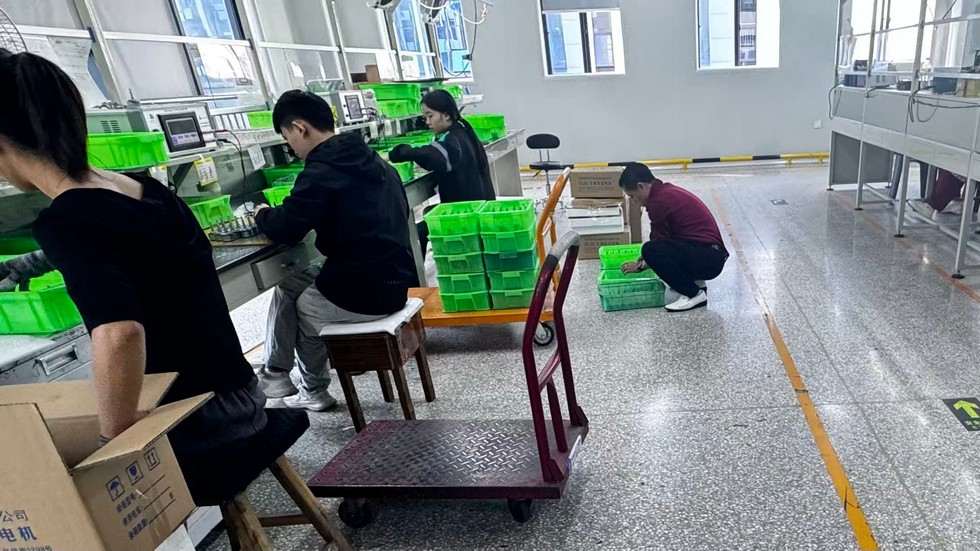

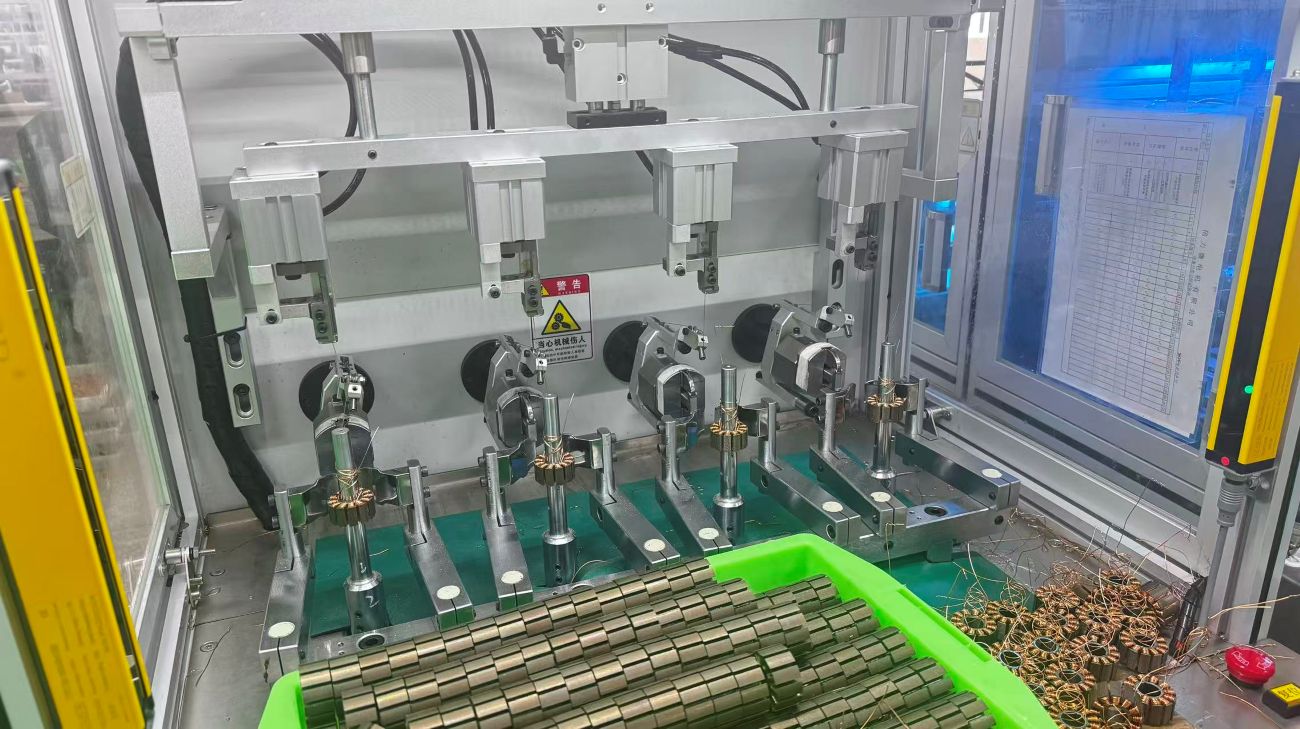
Our Automatic Winding Machines feature multi-axis tension control systems that guarantee uniform wire distribution across slots, preventing shorted turns and minimizing copper loss. Furthermore, the Spot Welding Process utilizes medium-frequency inverter technology to deliver uniform energy pulses. This yields high-integrity joints between commutators and windings, eliminating thermal cold-joints that degrade motor lifespan under cyclical thermal loads.
Why global OEMs partner with Chinese suppliers like MicroDyn Motor for their precision drive needs.
China processes over 80% of the world's Neodymium (NdFeB) magnets. By manufacturing directly at the raw material source, we secure premium magnetic grades (such as N52SH with high temperature stability) at significantly lower raw material costs.
We offer complete custom modifications of shafts, gear ratios, winding parameters, and feedback interfaces. Our local tooling and quick-turn stamping processes reduce prototyping lead times from months to weeks.
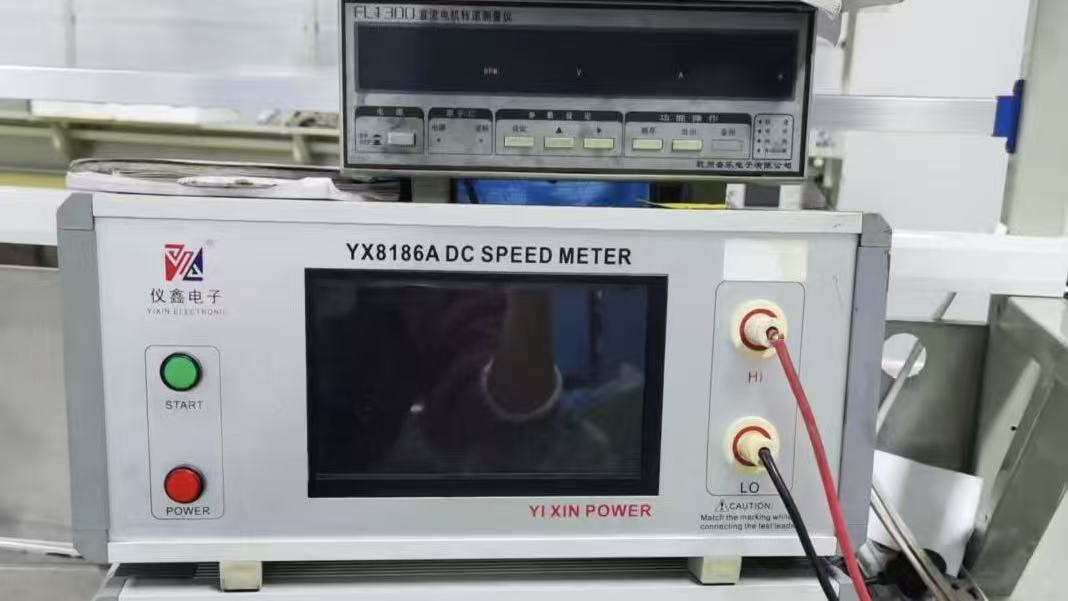
Our testing labs use dynamic load tests, environmental simulation chambers, and 3D coordinate scanners. This guarantees that all micro gear and BLDC motors comply with CE, RoHS, and UL safety standards.
The global push towards electrification, smart homes, and industrial automation is reshaping the high-efficiency motor landscape. Standard induction motors are rapidly being replaced by permanent magnet brushless motors (BLDC) and coreless DC drives. This transition is motivated by a fundamental engineering principle: minimizing energy losses at the point of load.
Compared to traditional brushed motors, BLDC systems offer significant operational advantages:
Custom micro motors are key enablers across a variety of advanced vertical sectors:
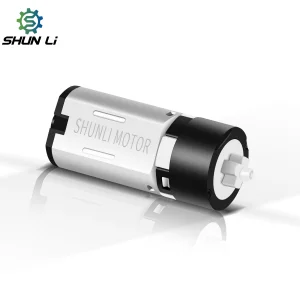
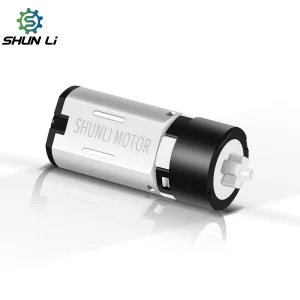
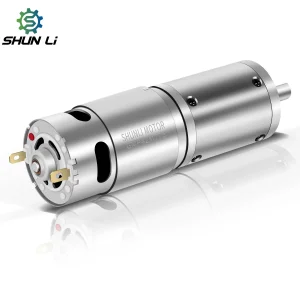
In medical surgical tools and automated infusion pumps, reliability is paramount. Micro planetary gear motors offer high torque in an ultra-compact footprint. By utilizing high-density NdFeB magnetic rotors and specialized tooth profiles on planetary gears, we achieve zero-slip torque transmission and low backlash levels (<1 degree), allowing surgeons and automated controllers to execute precise movements.
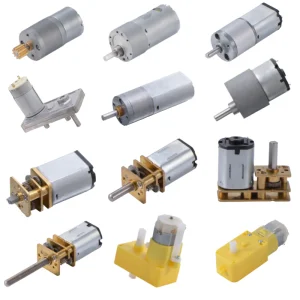
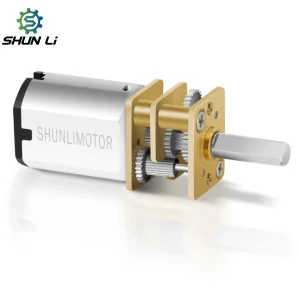
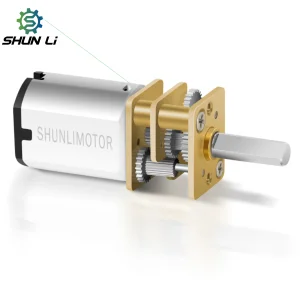
Modern residential applications require noise-free, continuously variable motion profiles. From automated window blinds to smart door locks and HVAC dampers, our small DC gear motors (like the N30 and 370 series) are optimized with helical gear interfaces and vibration-dampening bushings. This design limits sound output to less than 35 decibels, creating a quiet and comfortable home environment.
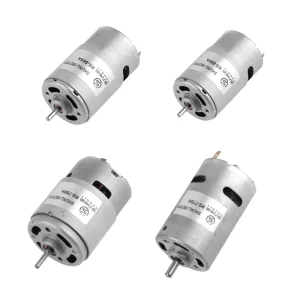
Outdoors and on the factory floor, conditions can be challenging. Motors must withstand high ambient temperatures, dust ingress, and moisture. Our heavy-duty motors, such as the 555 and 775 DC motors, feature robust carbon brushes, reinforced ball bearings, and IP-rated enclosures. This construction ensures reliable operation under tough conditions, including inside electric lawn mowers and power tools.
When selecting a high-efficiency motor manufacturer, global procurement teams must weigh performance specifications against total cost of ownership (TCO). The table below outlines key engineering metrics to consider based on your application demands:
| Motor Type | Core Applications | Key Advantage | Efficiency Range | Customization Level |
|---|---|---|---|---|
| Planetary Gear BLDC | Robotics, Surgical Instruments | Ultra-High Torque Density | 80% - 92% | Shaft, Encoder, Gear Ratio |
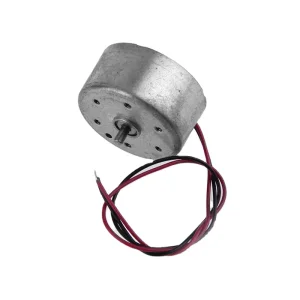
| Brushed DC Motors | Toys, Smart Locks, Massagers | Simple Drive Control & Low Cost | 60% - 75% | Voltage, Length, Shaft Flat |
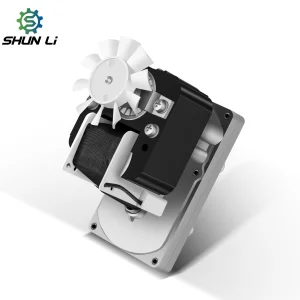
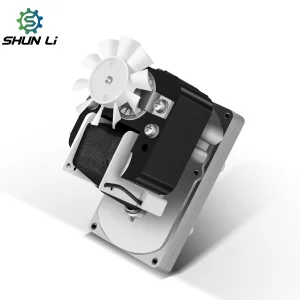
| Ac Shaded Pole | Appliances, Ovens, Fan Heaters | Extreme Thermal Robustness | 30% - 45% (Thermal Priority) | Stack Thickness, Coil Winding |
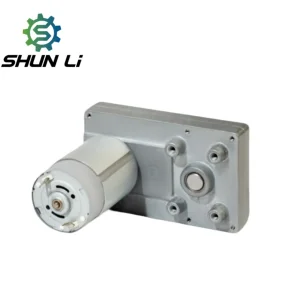
| Worm Gear DC Motors | Sewing Machines, Window Lifts | Self-Locking & Right-Angle Output | 55% - 70% | Output Shaft, Mounting Hole |
By defining performance metrics early in the design phase, our engineering team can optimize the copper fill factor and select the appropriate rotor laminate steel (e.g., silicon steel vs. iron-based amorphous alloys) to minimize eddy current losses, ensuring your application operates efficiently.
Technical clarifications on sourcing, design integration, and motor testing standards.
Discover our specialized micro and worm-drive motors tailored for consumer electronics, automotive components, and medical equipment.
 MicroDyn Motor