Direct supply of high-torque, precise drive systems engineered to survive the most demanding hazardous and volatile environments.
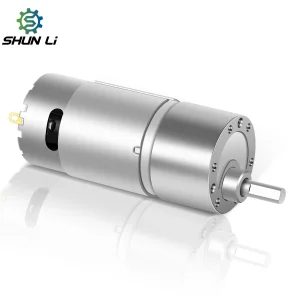
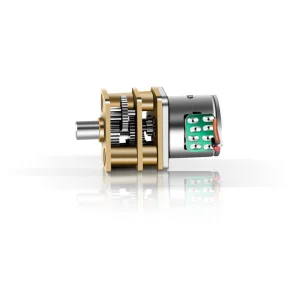
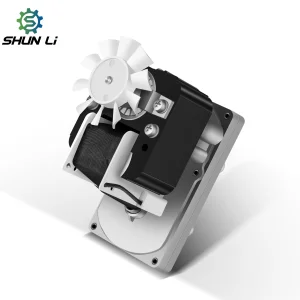
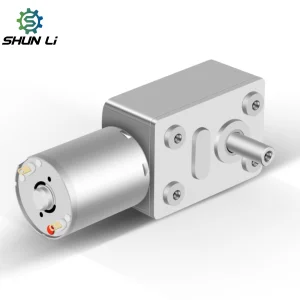
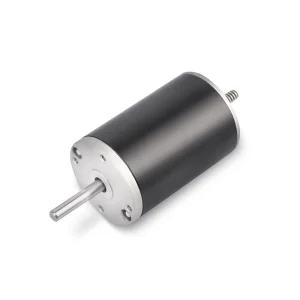
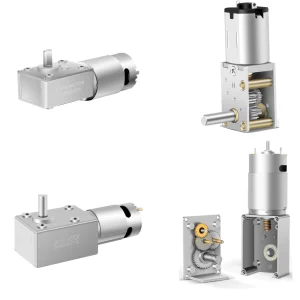
In modern heavy industries, safety and prevention of disastrous events are paramount. Hazardous locations—characterized by the presence of flammable gases, vapors, liquids, combustible dust, or ignitable fibers—require electrical equipment that can successfully contain internal explosions or prevent the spark-ignition of volatile atmospheres. The global explosion-proof motor market is seeing exponential growth, propelled by strict environmental regulations, increased automation in chemical plants, and the modernization of oil and gas transport infrastructure.
"According to industrial safety directives (ATEX Directive 2014/34/EU and the NEC Article 500), any mechanical movement inside Class I, Division 1 or Zone 1 areas must be executed by certified flameproof (Ex d) or increased safety (Ex e) motors. Eliminating friction sparks and electrostatic discharge is not just a certification checkbox—it is a life-saving imperative."
Global supply lines rely on precise, reliable electric motors to actuate valves, mix explosive raw chemicals, and run dust extraction blowers in grain silos. The transition to Smart Manufacturing and Industry 4.0 has introduced the need for low-voltage brushless DC (BLDC) motors and intelligent gear motors that not only offer intrinsic flameproofing but also integrate feedback sensors, high-resolution encoders, and digital control buses to report thermal trends and vibration anomalies before failures occur.
Design engineers must select motors based on precise definitions of the hazardous atmosphere they will operate in. The two dominant systems are the North American National Electrical Code (NEC) and the international IECEx/ATEX directives.
| Classification Scheme | Environment Classification | Hazardous Material Present | Protection Philosophy |
|---|---|---|---|
| ATEX / IECEx Zone 0 / 20 | Continuous Danger | Gases/Vapors (0) or Dust (20) present constantly or for long periods. | Intrinsically Safe (Ex i), Encapsulation (Ex m). |
| ATEX / IECEx Zone 1 / 21 | Intermittent Danger | Flammable mixture likely to occur in normal operations. | Flameproof Enclosure (Ex d), Increased Safety (Ex e). |
| ATEX / IECEx Zone 2 / 22 | Abnormal / Rare Danger | Flammable mixture unlikely to occur; if it does, it persists only briefly. | Non-sparking (Ex n), Dust Ignition Protection (Ex t). |
| NEC Class I, Div 1 | Division 1 | Flammable gases, vapors, or liquids present in normal conditions. | Explosion-proof construction with tight-tolerance flame paths. |
| NEC Class II, Div 1 | Division 1 (Dust) | Combustible dust (grain, coal, metal dust) suspended in air. | Dust-ignitionproof housing to prevent surface temperature rise. |
The mechanical design of a flameproof motor (Ex d) does not necessarily prevent explosive gas from entering the housing. Instead, the frame is engineered to withstand an internal explosion without rupturing, while cooling escaping hot gases through precise flame paths (flanged joints, threaded paths) so they cannot ignite the external ambient atmosphere.
MicroDyn Motor is a highly specialized, High-Tech China factory established in 2006, dedicated to engineering advanced Micro DC, Gear, and Brushless (BLDC) motors. Over the past two decades, we have bridged the gap between complex engineering requirements and high-volume manufacturing.
We believe that the heart of every great machine is its electric drive. If the motor fails, the entire system stops. That is why we engineer every single drive with industrial-grade safety margins. This guarantees higher output torque, significantly lower electromagnetic noise, and longer operational lifespans than standard commercial alternatives.
We customize 100% of our products—modifying shafts, voltage levels, internal gear ratios, magnetic encoders, and spark-extinguishing brush structures to deliver tailored motion control configurations that meet the specialized needs of global OEMs.
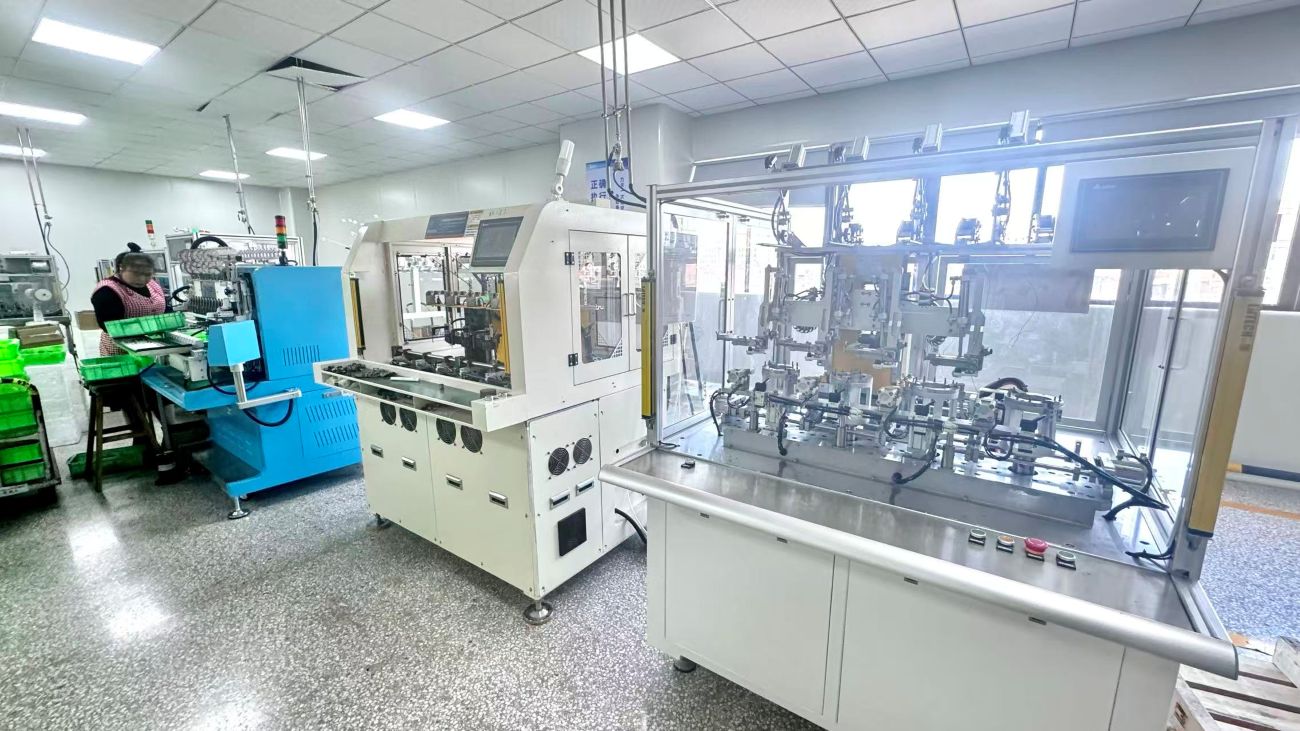
Our factory utilizes advanced precision tooling, computerized winding machinery, and rigorous testing setups to maintain consistent product quality. Below is a look into our workflow:
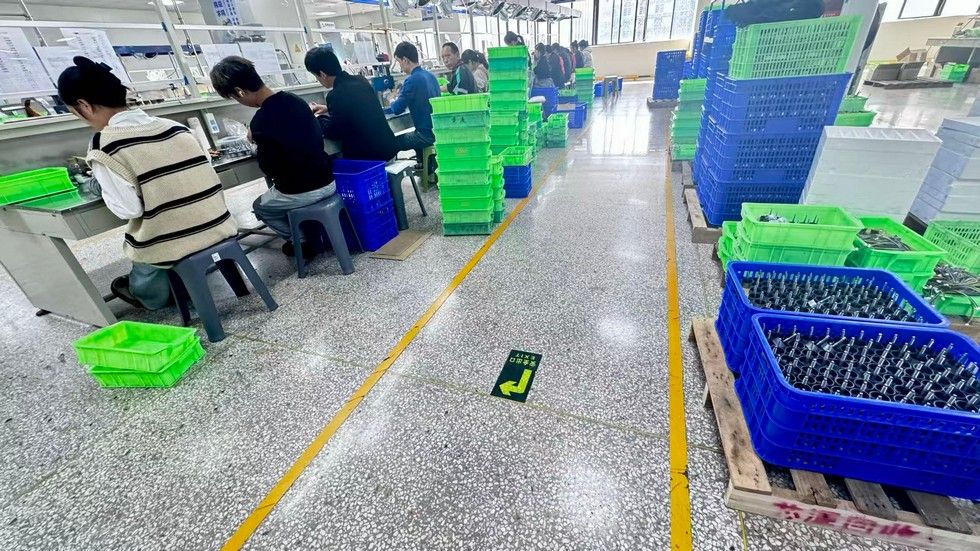
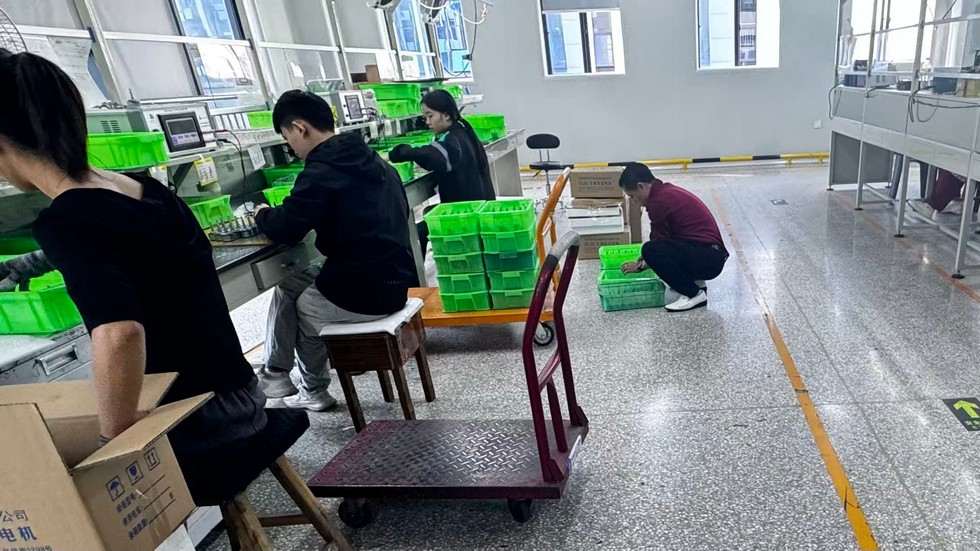

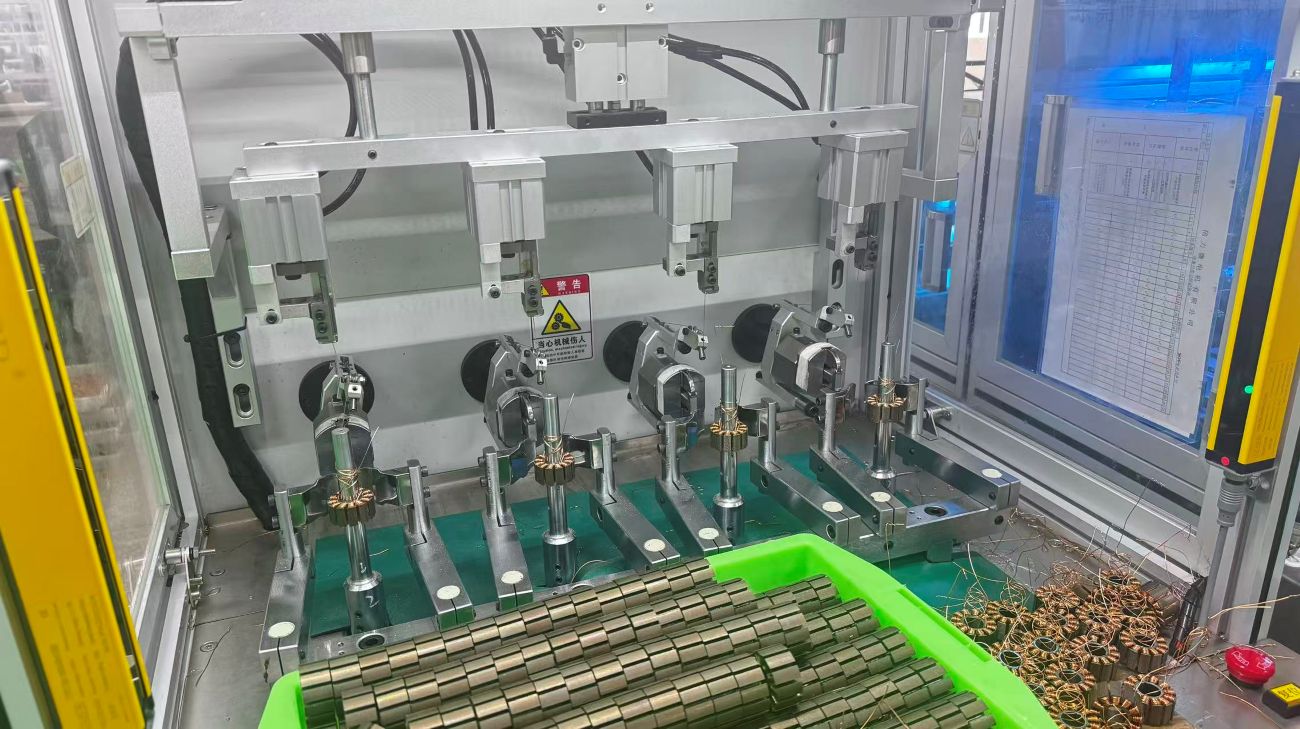
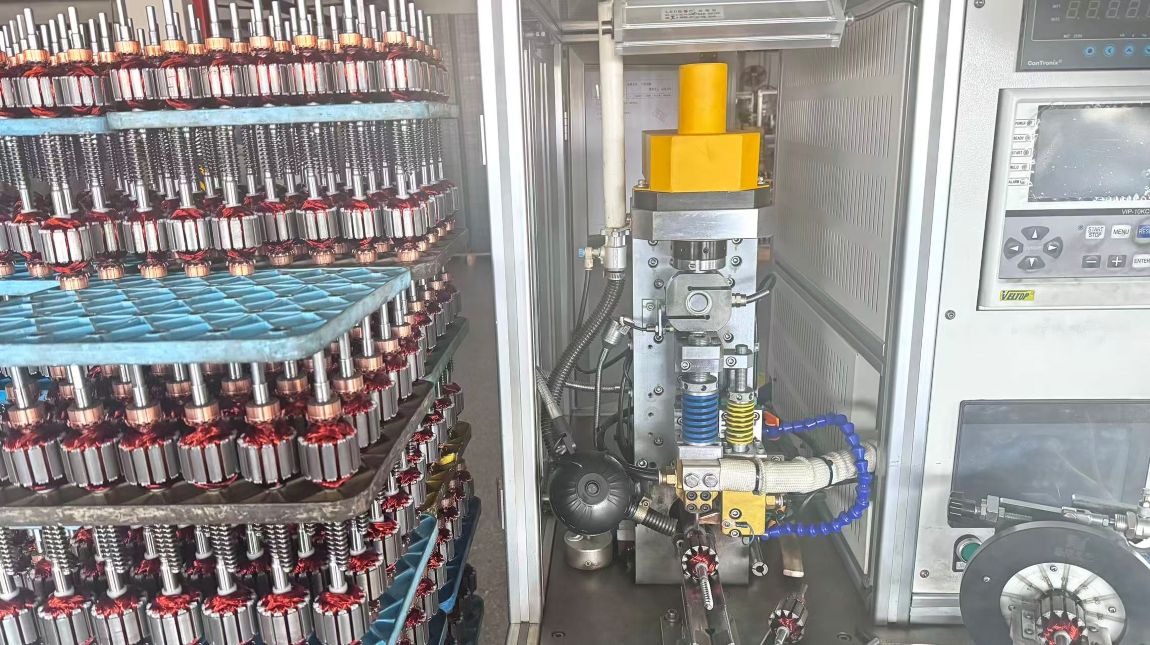
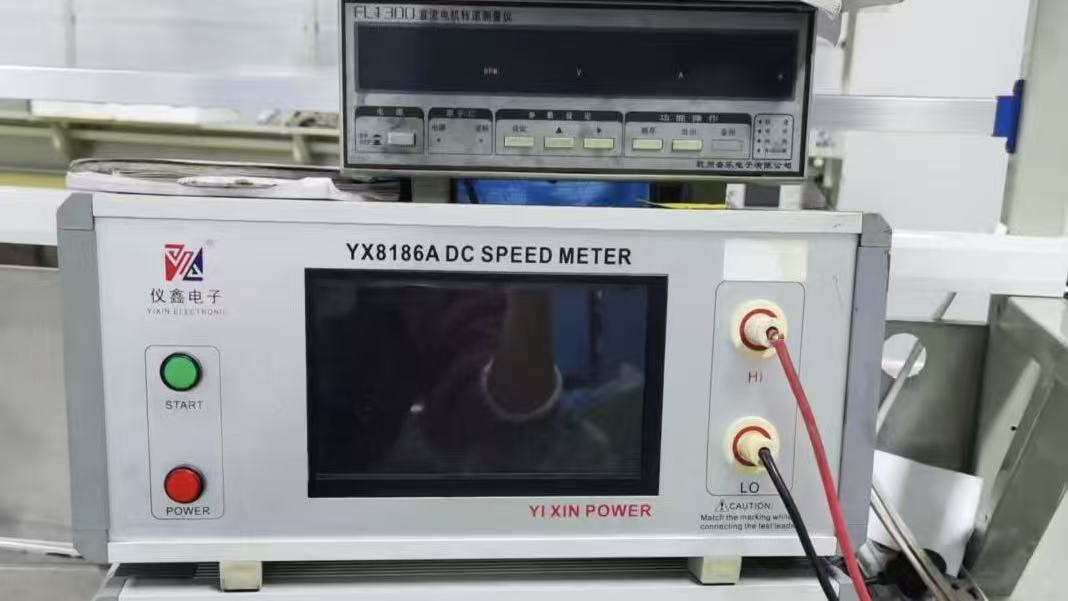
Manufacturing explosion-proof micro-motors requires a steady supply of high-grade raw materials and specialized manufacturing processes. Our China-based facility offers distinct strategic advantages for global customers:
Direct integration with domestic suppliers of high-magnetic-flux NdFeB magnets, premium grade electrolytic copper windings, and high-tensile stainless steel shafts.
We perform CNC machining, precision armature winding, dynamic balancing, and assembly under one roof, reducing dependencies and logistics bottlenecks.
We provide rapid prototyping, allowing custom mechanical and electrical modifications to be completed within days rather than months.
By centering production in China's advanced industrial corridor, we utilize a highly responsive components ecosystem. This allows us to keep lead times for custom explosion-proof gear motors at 4–6 weeks, compared to the industry standard of 12–16 weeks. In addition, our automated winding and spot-welding machines ensure high accuracy, lowering part-to-part variability below 50 PPM (parts per million).
While standard commercial motors are adequate for clean, controlled environments, explosion-proof and intrinsically safe designs are necessary for the following specific industrial and commercial applications:
Vending systems that mix hot liquids, sugars, and organic powders create environments where fine, flammable dust can collect. Sparking brushes in standard DC motors risk igniting these fine powders. By using brush-free structures and flameproof gearboxes, our micro-motors prevent dust ignition, ensuring long-term safety in continuous operation.
Petroleum vapours are constantly present in gasoline dispensing nozzles. Any motor operating the vapor recovery system, pump head, or payment lock mechanism must be certified under Class I, Division 1. MicroDyn's custom 12V and 24V gear motors provide high torque in compact packages, with housing designs that contain internal sparks to prevent exterior vapors from igniting.
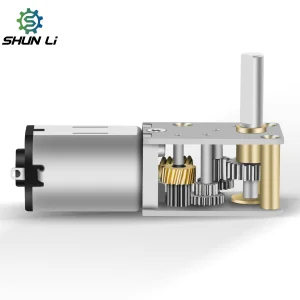
In chemical processing, control valves must regulate flows of acids, solvents, and fuel gas. The actuators that turn these valves require high-torque, low-speed motors. Our worm gear configurations deliver up to 0.8Nm of holding torque to prevent valve slippage, protected by ingress-sealed housings that resist chemical corrosion.
Automated locks in paint-mixing rooms, pharmaceutical labs, or aerospace hangars operate in environments with highly volatile vapors. Standard electric strikes can generate sparks during operation. MicroDyn's low-voltage DC stepper and brushless gear motors are designed to operate safely below the ignition energy thresholds of these atmospheres.
The explosion-proof motor market is shifting toward brushless designs, integrated smart diagnostics, and ultra-high efficiency standards. The roadmap below outlines the key technological transitions occurring in our R&D facilities:
Brushed DC motors naturally generate electrical arcing when the carbon brush contacts the copper commutator. Although flameproof enclosures (Ex d) contain these sparks, the industry is transitioning to brushless DC (BLDC) motors. Without mechanical brushes, the risk of ignition is reduced at the source, allowing for lighter, more efficient motor designs.
Future iterations of explosion-proof micro-motors will incorporate digital temperature sensors (NTC thermistors) and MEMS accelerometers directly inside the motor housing. By monitoring winding temperatures and shaft vibration frequencies, the motor can signal a controller to safely shut down before overheating.
Energy efficiency standards are becoming more strict worldwide. By using high-performance stator steels and optimized copper fill-rates, our brushless motors achieve efficiency levels exceeding IE4 standards, reducing operating temperatures and energy consumption.
Selecting the correct explosion-proof motor requires a thorough verification of certifications. Installing a motor with inadequate protection or incorrect temperature ratings can lead to safety violations or equipment failure.
At MicroDyn, every custom motor order is backed by comprehensive traceability. We provide test logs for dielectric insulation testing, shaft runout measurements, and dynamic torque performance.
We work closely with regional distribution partners and testing laboratories to ensure compliance with ATEX, IECEx, UL, and CSA standards. Through our design-in support service, our application engineers help design teams select the correct motor parameters, including radial load limits, winding resistances, and flame-path configurations.
Expert technical answers to common queries regarding application, installation, and safety standards.
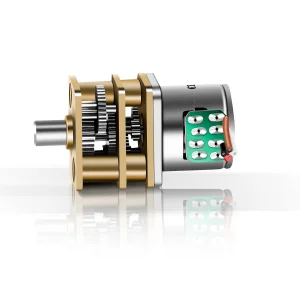
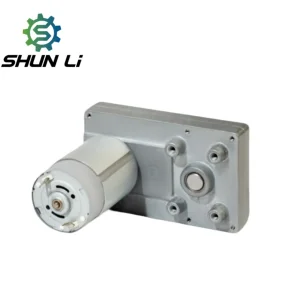
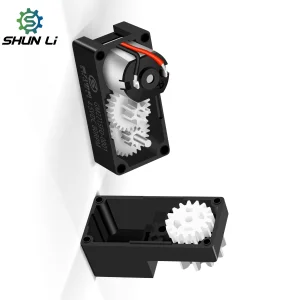
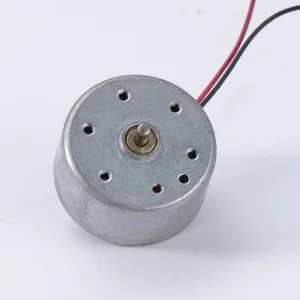
Explore our complete catalog of specialized, low-voltage, and customized gear motors designed for precise industrial positioning.
 MicroDyn Motor