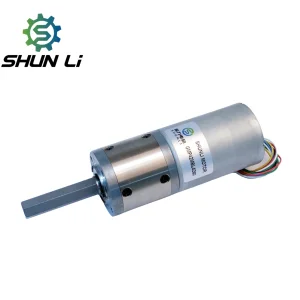
Industrial-grade components optimized for high torque, low noise, and precise motion control.
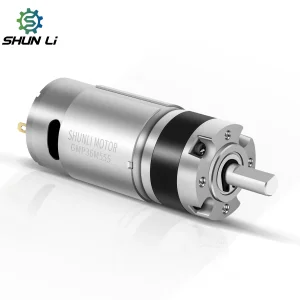
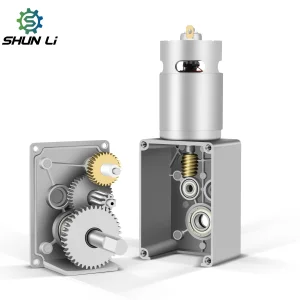
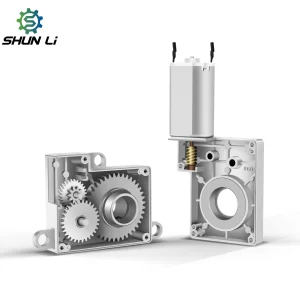
The global motion control market has witnessed a paradigm shift from traditional rotary-to-linear conversion systems—such as ball screws, timing belts, and rack-and-pinion mechanisms—toward direct drive linear motors. Direct drive technology eliminates mechanical transmission friction, backlash, and wear, enabling unprecedented dynamics, sub-micron precision, and rapid cycle times. In industries where throughput, efficiency, and reliability are paramount, linear motors have transitioned from niche components to standard machinery infrastructure.
Currently, the global linear motor market size is expanding at a steady CAGR (Compound Annual Growth Rate) of approximately 7.2%, driven by the rapid expansion of semiconductor fabs, automated assembly lines, cleanroom packaging applications, and micro-actuation systems. As manufacturers face the pressure of shrinking electronics components and high-throughput requirements, finding the right supplier capable of designing both heavy-duty and micro-scale actuation systems is a critical supply-chain differentiator.
From micro brushless DC (BLDC) planetary integrations to monolithic ironcore linear stages, today's industrial design requires components that perform under extreme conditions. The integration of advanced linear feedback encoders, NdFeB (Neodymium Iron Boron) permanent magnet tracks, and multi-axis synchronizers represents the state of the art in high-performance factory automation.
To assist procurement managers, application engineers, and machinery OEMs in selecting the optimal motion solution, we have profiled the leading linear motor factories and technology providers worldwide based on technical capability, manufacturing scale, and custom engineering adaptability.
Headquarters: Verl, Germany
Specialty: PC-based control systems, high-speed linear motor stages, and XTS (Extended Transport System) linear transport tracks. Beckhoff is highly regarded for integrating EtherCAT real-time communications directly with direct drive units, optimizing multi-slider synchronizations.
Headquarters: Pittsburgh, USA
Specialty: Sub-nanometer positioning stages, ironless linear motors, and custom multi-axis gantry platforms. Aerotech caters primarily to semiconductor metrology, laser fabrication, and advanced aerospace test environments where magnetic cogging must be completely eliminated.
Headquarters: Ohio, USA
Specialty: Industrial-grade modular linear motors, ironcore structures for high force density, and hazardous-environment actuators. Parker's LXR series linear motor positioners are global industry standards for heavy duty pick-and-place lines.
Headquarters: Taichung, Taiwan
Specialty: High-volume, highly cost-effective linear guide rails and direct drive motors. HIWIN's vertical integration—producing both the magnetic tracks and the bearing guides in-house—gives them a distinct logistics advantage.
Headquarters: Lohr am Main, Germany
Specialty: Dynamic linear motor kits and heavy machinery linear drives. Renowned for their high peak force capacities, Bosch Rexroth systems are built for machine tools, high-speed press automation, and metal forming industries.
Headquarters: Munich, Germany
Specialty: Simotics L linear motors designed for direct integration into machine tool control architectures via Sinumerik CNC controllers. Exceptional thermal dissipation designs ensure stable performance in high-speed milling machines.
Headquarters: Virginia, USA
Specialty: Direct-drive technologies including rotary and DD linear motors. Their IC and ICD linear series are optimized to offer high peak forces and smooth velocity control over long travel travels.
Headquarters: Fukuoka, Japan
Specialty: Sigma-7 direct drive linear motors. Yaskawa specializes in plug-and-play setups, featuring automatic motor recognition algorithms built directly into their digital servo drives.
Headquarters: New York, USA
Specialty: Mission-critical high-reliability custom linear actuators for aerospace, defense, and space applications. They focus on aerospace certification, multi-channel redundancies, and custom winding designs.
A Specialized Direct-Drive Actuation Components Factory (Est. 2006)
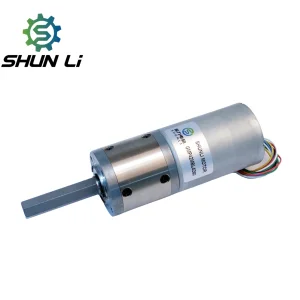
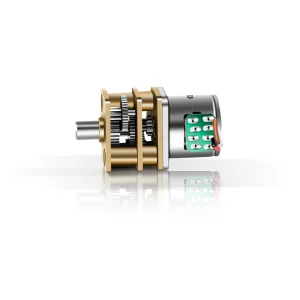
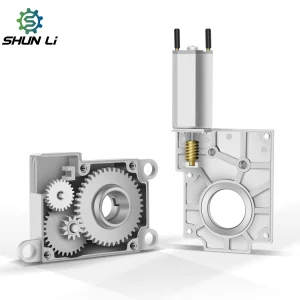
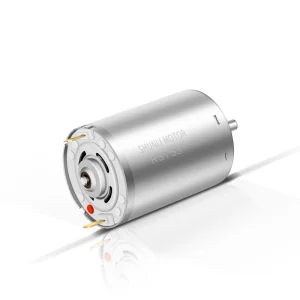
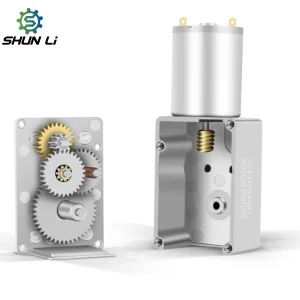
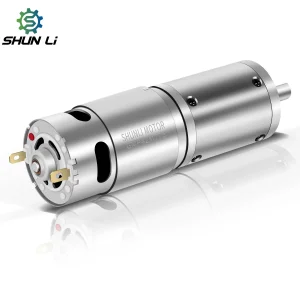
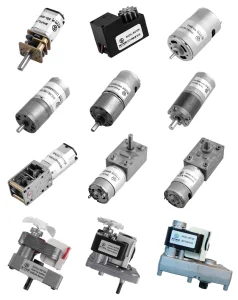
While global giants concentrate on structural monolithic high-force linear stages, MicroDyn Motor serves a critical role in the global supply chain by manufacturing high-performance micro actuation systems, planetary gearheads, and customized BLDC drives that power the auxiliary functions of direct drive stages (such as safety brake systems, autofocus Z-axis, automatic lockups, and encoder positioning assistance). Established as a high-tech specialized China factory, they bridge the crucial gap between custom design and high-volume component manufacturing.
Design engineers must evaluate the physics of the magnetic attraction when implementing a linear motor system. Below is an analytical review of the primary direct-drive technologies implemented in modern industrial gantry and positioning axes:
| Motor Type | Core Characteristics | Primary Advantages | Limiting Factors | Typical Applications |
|---|---|---|---|---|
| Ironcore Flat Linear | Windings are wrapped around iron laminations; high magnetic attraction force. | Maximum force output per unit volume, excellent thermal heat sinking via mounting surface. | Presence of cogging force (attraction ripple), high attractive forces put stress on guide bearings. | CNC milling machine tools, heavy-duty gantry axes, laser cutting beds. |
| Ironless (U-Channel) | Epoxy-cast coils moving inside a double-sided magnetic track; no iron core. | Zero cogging, low moving mass (highly dynamic), exceptional speed stability. | Lower continuous force, poor heat dissipation compared to ironcore structures. | Semiconductor packaging, optical alignment systems, medical imaging scanners. |
| Tubular (Shaft type) | Coils encircle a stainless steel shaft packed with rare-earth magnets. | Easy mechanical drop-in replacement for ball screws, fully enclosed IP-rated designs. | Limited stroke length due to magnet shaft deflection over long distances. | Food processing machinery, pharmaceutical packaging, automated assembly pushers. |
Every single motor we supply is subjected to rigorous winding, assembly, and testing routines inside our ISO 9001-certified Chinese factory.
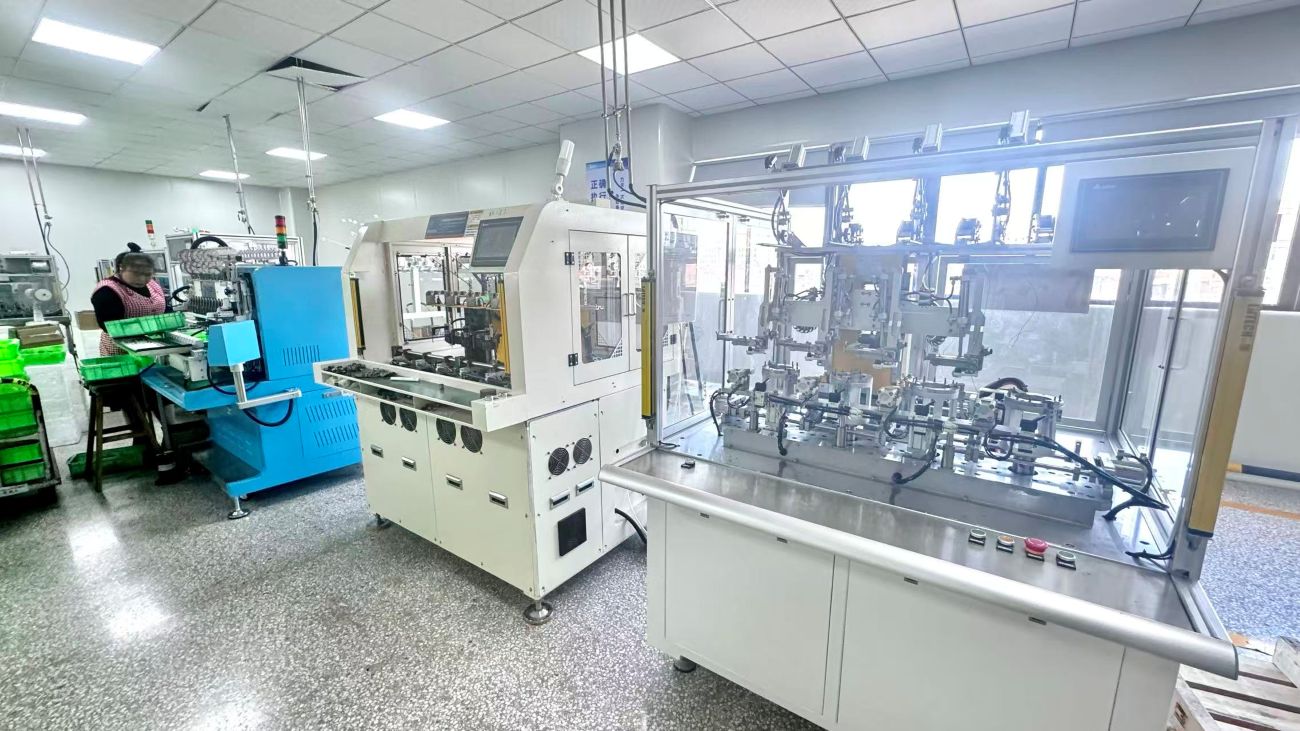
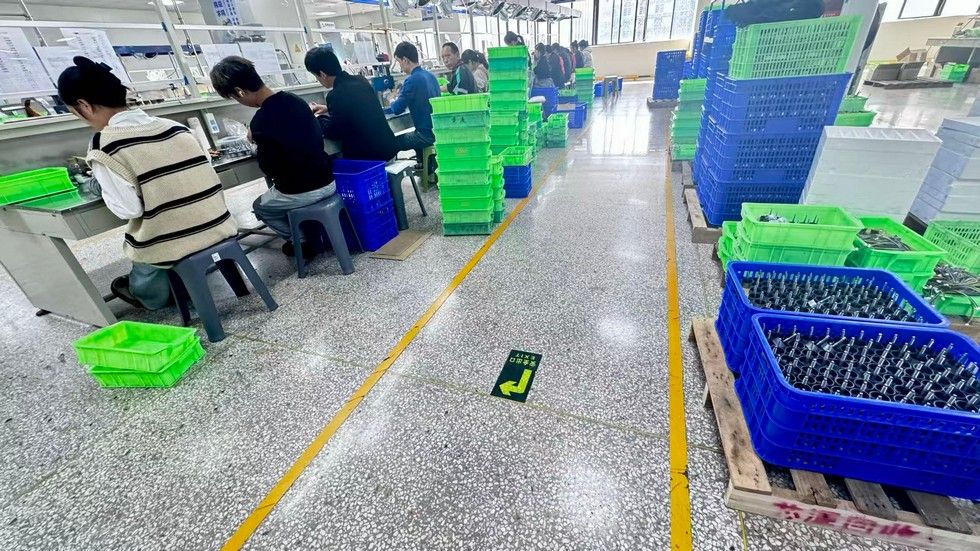
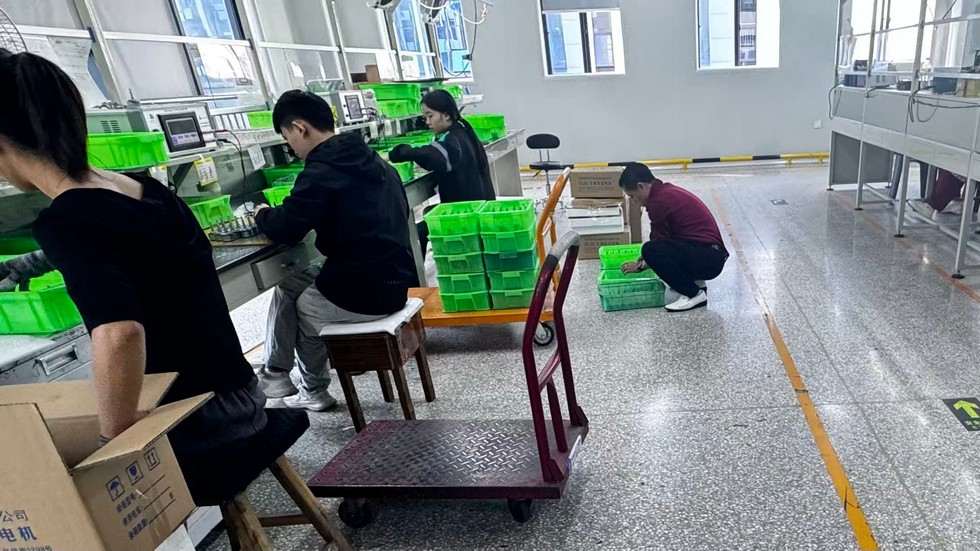

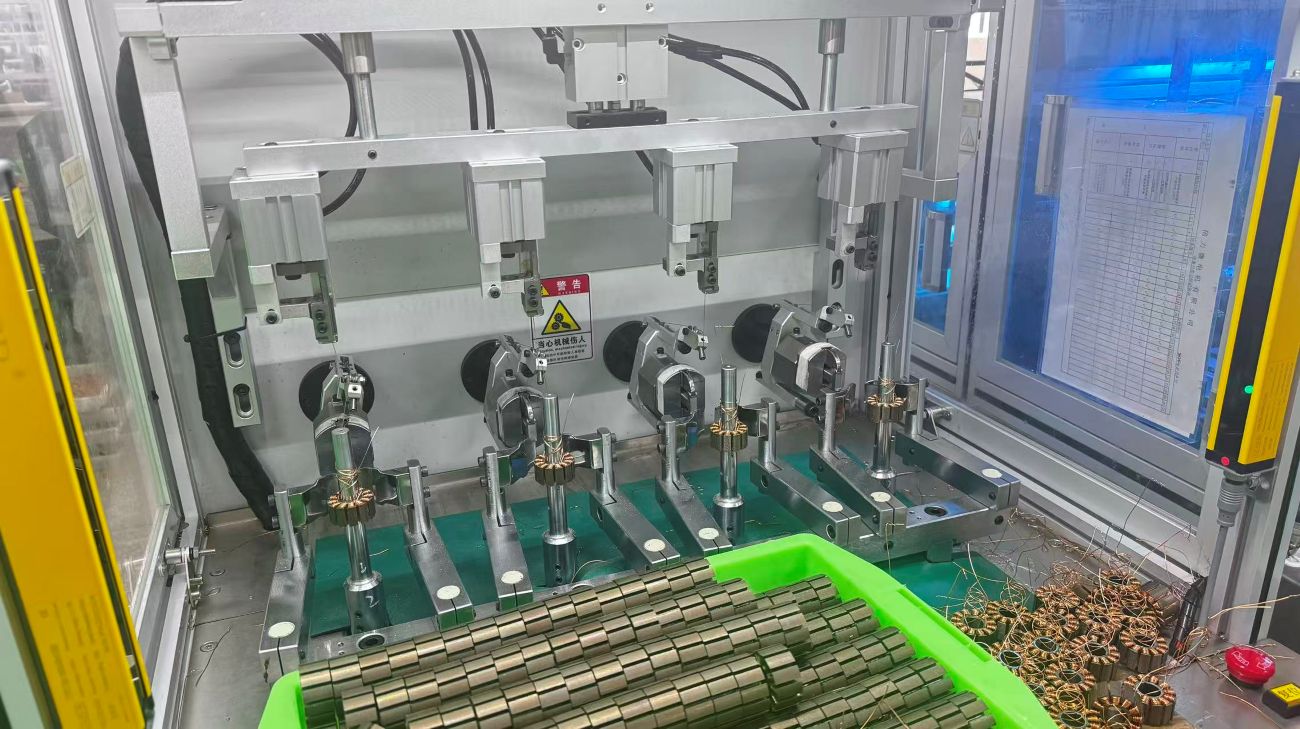
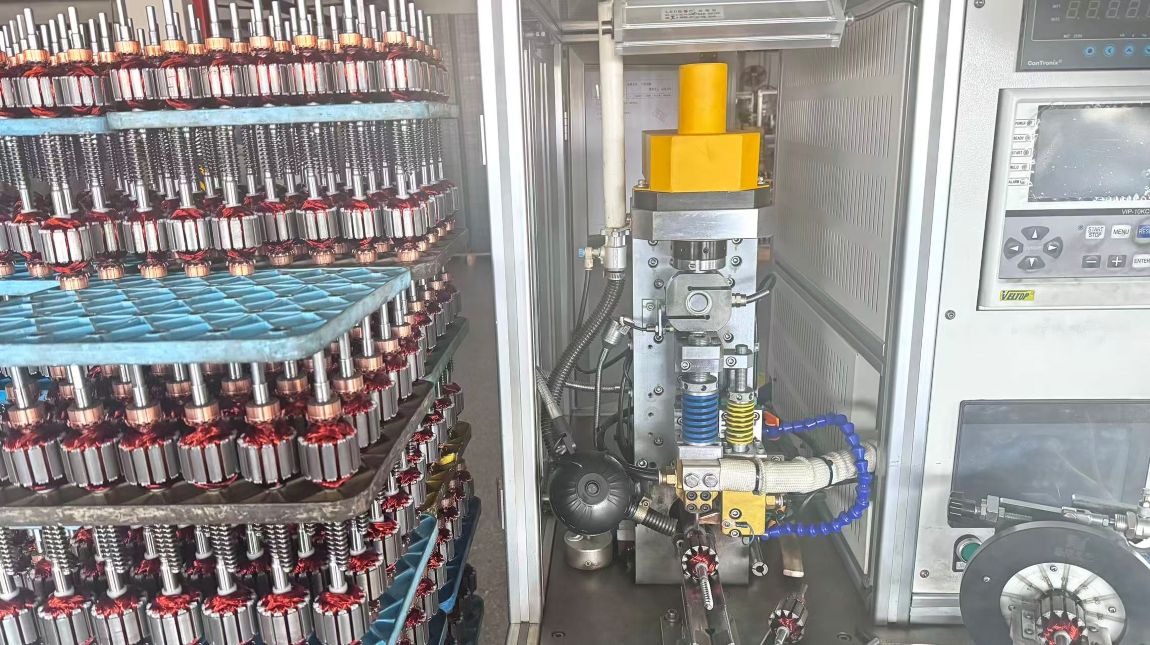
At MicroDyn Motor, we believe that the heart of every great machine is its actuation core. If the motor fails, the entire automation loop comes to a halt. This is why we engineer every drive with generous industrial-grade design margins. This engineering philosophy translates directly to higher peak torque, lower electromagnetic noise levels, and significantly longer operational lifespans than standard commercial alternatives.
Our capabilities bridge the gap between initial custom prototyping and high-volume manufacturing. Whether you require custom shafts, adjusted voltage ratings, integrated optical/magnetic encoders, or unique gear ratios, our engineering department provides direct factory support to global OEMs.
The next decade of direct-drive linear motion will be defined by convergence: the merging of feedback systems, advanced magnetics, and AI-driven thermal compensation. Here are the key trends our engineers are tracking:
Linear motors are specialized drive technologies designed to solve complex multi-axis motion profile puzzles. Typical application settings include:
In wafer inspection, lithography, and wire bonding, any minute mechanical vibration will ruin the process. Direct-drive ironless linear motors suspended on air bearings allow the positioning stage to glide frictionlessly, providing the sub-nanometer stability required to expose silicon circuits with modern extreme ultraviolet (EUV) systems.
Modern high-throughput lab automation requires the movement of delicate liquid reagents without spillage. Smooth velocity profiles (free of cogging) prevent sloshing in vials, ensuring precise scanning by mass spectrometers or automated pipetting systems.
In smart logistics, conveyor belts are increasingly replaced by independent multi-slider transport tracks (such as the Beckhoff XTS or Rockwell iTRAK). Powered by linear motor coils wrapped along the track, each carrier can speed up, slow down, and adjust its position independently, drastically shortening changeover times on packaging lines.
Answers to critical design and sourcing questions regarding linear motor assemblies.
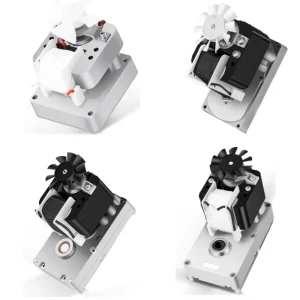
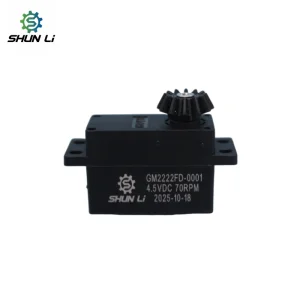
Explore our custom winding, shaft, and torque configurations available for direct factory shipment.
 MicroDyn Motor