High-torque configurations, coreless micro brush assemblies, and robust mechanical structures designed to integrate seamlessly into diagnostic, surgical, and automated equipment.
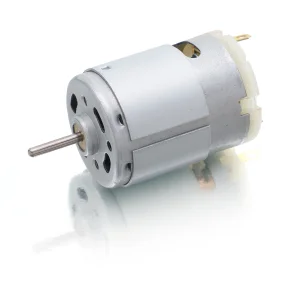
Widely utilized in miniature laboratory instruments, high-rpm centrifugal systems, and surgical tools requiring steady speed curves and robust brush durability.
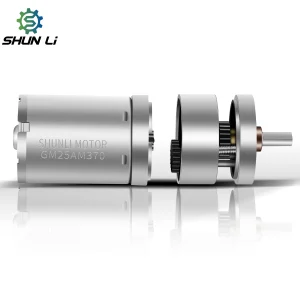
Engineered with precision reduction gearboxes to provide massive torque values at variable rpms (8-1000rpm). Ideal for localized automated dispensing systems.
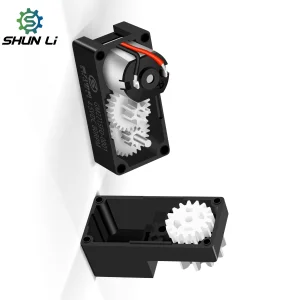
Designed for residential and industrial smart lock assemblies. Compact form factor guarantees long-life performance and superior reliability under fluctuating temperatures.
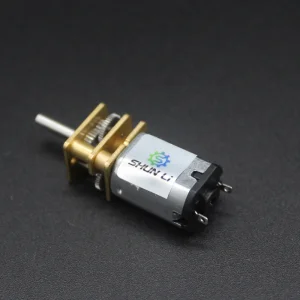
Features integrated encoder feedback systems, optimized for closed-loop motion profile tracking in university research labs and automated locking systems.
Boston, Massachusetts, along with the greater New England technological corridor (including Cambridge, Route 128, and the Seaport District), represents one of the world's most dense concentrations of high-tech industries. Driven by prestigious academic foundations like MIT and Harvard, the local economy has evolved into a global hub for medical devices, surgical robotics, defense technologies, marine exploration, and autonomous systems. Within this highly sophisticated market, the demand for high-performance DC Micro Vibration Motors has shifted from standard off-the-shelf consumer variants to application-specific, high-reliability vibration and motion solutions.
Moreover, local defense and aerospace contractors require micro-actuators that conform to strict military-grade tolerances. These vibration systems must operate flawlessly under extreme temperature ranges, withstand high vibrational loads, and maintain an exceptionally high mean time to failure (MTBF). To serve this sophisticated regional market, DC micro motor manufacturers must elevate their engineering standards, ensuring that raw material selections, assembly processes, and compliance validations align with the stringent standards expected by Massachusetts engineering firms.
When selecting miniature vibration actuators for Boston-based hardware products, engineering leads typically evaluate two primary topologies: Eccentric Rotating Mass (ERM) motors and Linear Resonant Actuators (LRA). Understanding the physical mechanisms and trade-offs of each technology is paramount for optimizing product performance, user experience, and power management.
ERM motors utilize an asymmetrical mass attached to a rotating shaft. As the DC motor turns, the offset center of gravity creates a centripetal force vector that changes direction constantly, resulting in a rotational vibration pattern. ERMs are highly popular due to their design simplicity, wide drive voltage range (typically 1.5V DC to 12V DC), and cost-effectiveness. The amplitude of vibration in an ERM is governed by the following physical equation:
Where F represents the vibration force, m is the mass of the eccentric weight, r is the eccentricity radius, and ω is the angular velocity. In ERM motors, the vibration amplitude and frequency are coupled; higher speeds yield higher frequencies and higher forces. This makes them exceptionally suited for broad-spectrum alerts and tactile warnings in medical monitors or industrial control panels.
Unlike ERMs, LRAs rely on a magnetic mass suspended by springs that moves in a linear direction when driven by an AC signal. The system operates on resonance, similar to a tuning fork. LRAs offer significantly faster response times (rise and fall times under 20ms) compared to ERMs (often 50ms to 80ms), making them the preferred choice for detailed haptic interfaces in high-end consumer tablets, medical touchscreens, and defense simulation gloves. However, LRAs demand a precise AC driver (often at a fixed frequency of 175Hz or 235Hz), requiring complex circuitry and narrower operating windows.
MicroDyn Motor addresses these diverse requirements by offering specialized DC micro motors that can be modified with customized eccentric weights, high-grade carbon brushes, precious metal commutators, or brushless topologies for continuous-duty applications.
Optimized mini motors for medical fluid handling, security access mechanisms, and robotic end-effectors.
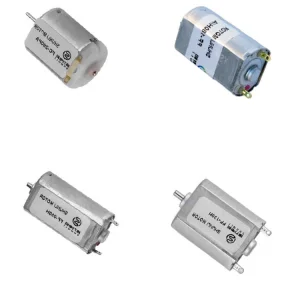
Flat profile brush DC motor configured to maximize torque output within tight height restrictions. Highly reliable performance in medical testing chambers.
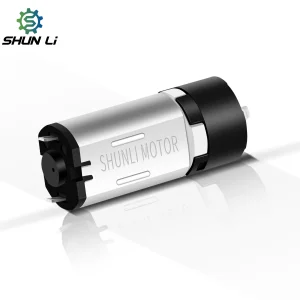
Plastic planetary gearbox integrated with an N20 micro motor, offering controlled vibratory pulses and torque profiles for toys and simulation models.
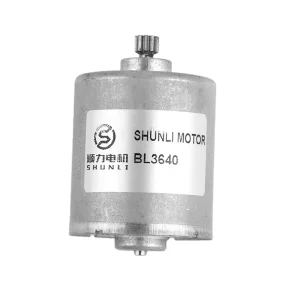
Designed for permanent magnet fan ventilation and analytical sample mixers. Extremely quiet operation and extended runtime via brushless commutation.
Sourcing electromagnetic micro-motors from global manufacturing sites like China to high-cost innovation hubs like Boston presents a complex operational landscape. Boston-based procurement departments and logistics managers are tasked with navigating strict US import customs regulations, compliance standards, and local inventory control mechanisms.
All imported motors bound for Massachusetts medical, laboratory, or consumer products must adhere to international guidelines. Our factory guarantees 100% compliance with RoHS (Restriction of Hazardous Substances) and REACH directives, ensuring no lead, mercury, or harmful plasticizers enter delicate ecosystems or healthcare facilities. Additionally, for medical device integration, we align our documentation structures to support your FDA Class II/III certification pipelines.
Shipping to Massachusetts is optimized through multi-channel transport networks. Urgent prototype runs and pre-production evaluation quantities are dispatched via express air freight (landing directly at Boston Logan International Airport (BOS) or JFK International Airport in New York for fast transit). High-volume bulk container shipments are routed through the Port of Boston (Conley Terminal), reducing transport costs and stabilizing long-term supply pipelines.
For Boston technology startups and established OEMs, minimizing supply chain latency is critical. MicroDyn Motor manages this by maintaining deep buffer stocks of common steel alloys, magnets, and winding components in our manufacturing facility, reducing typical tooling lead times from 8 weeks down to 3 weeks for customized designs. This rapid prototyping lifecycle is highly beneficial for research institutions in Cambridge and medical device incubators along Route 128.
Established in 2006, MicroDyn Motor employs advanced automation, precision winding equipment, and rigorous QA testing protocols to guarantee industrial-grade micro motor outputs.
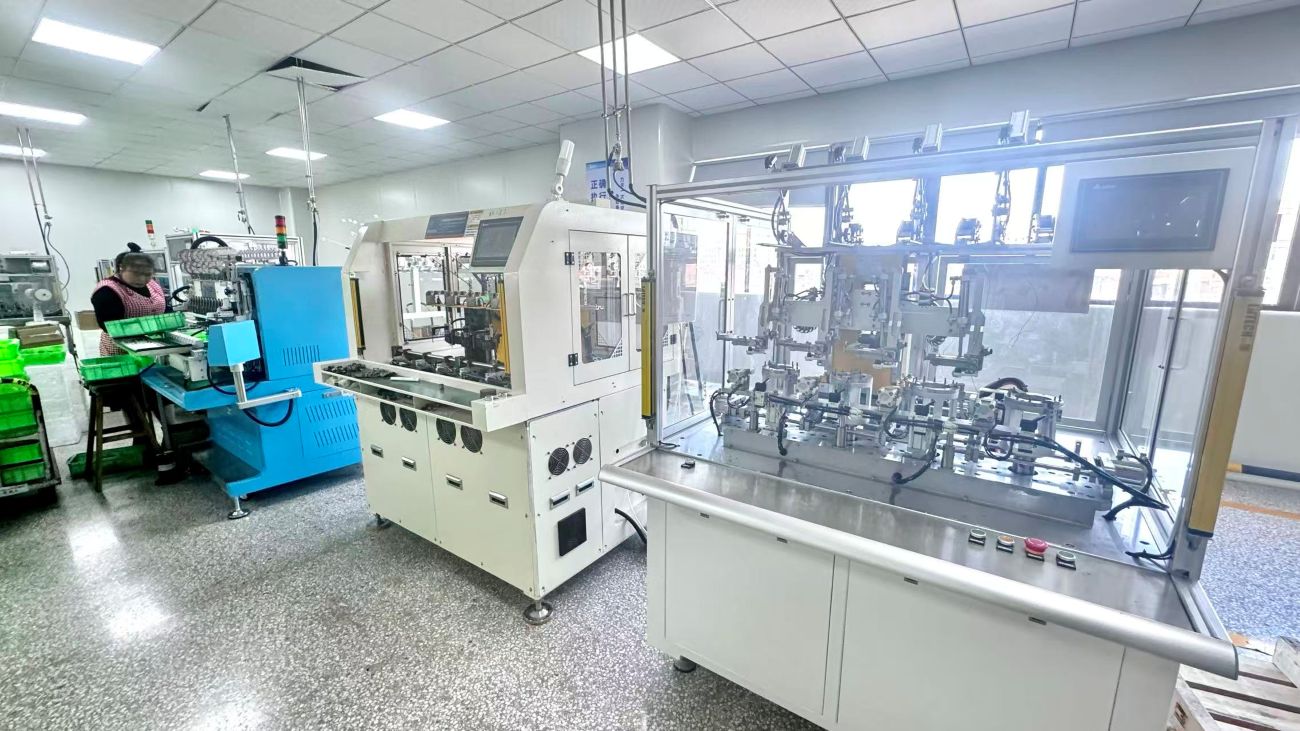
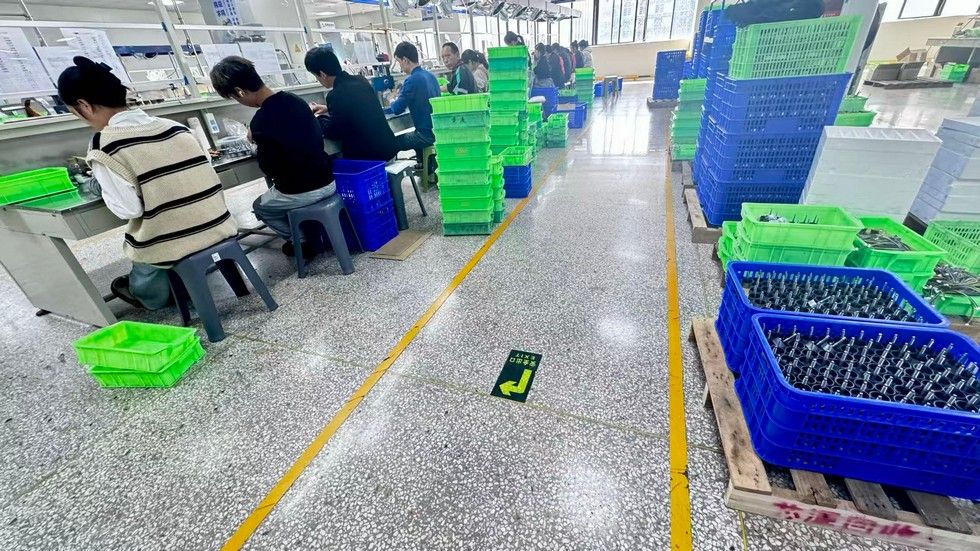
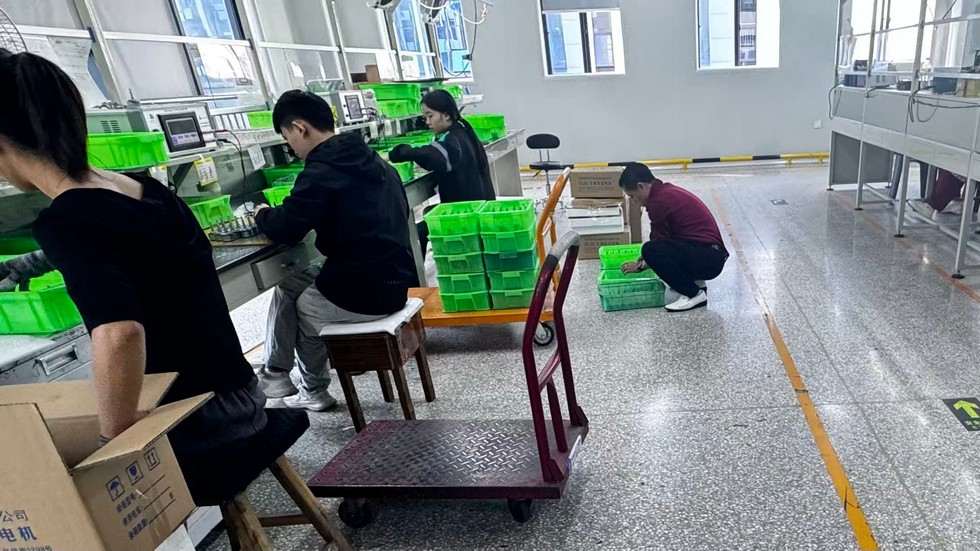

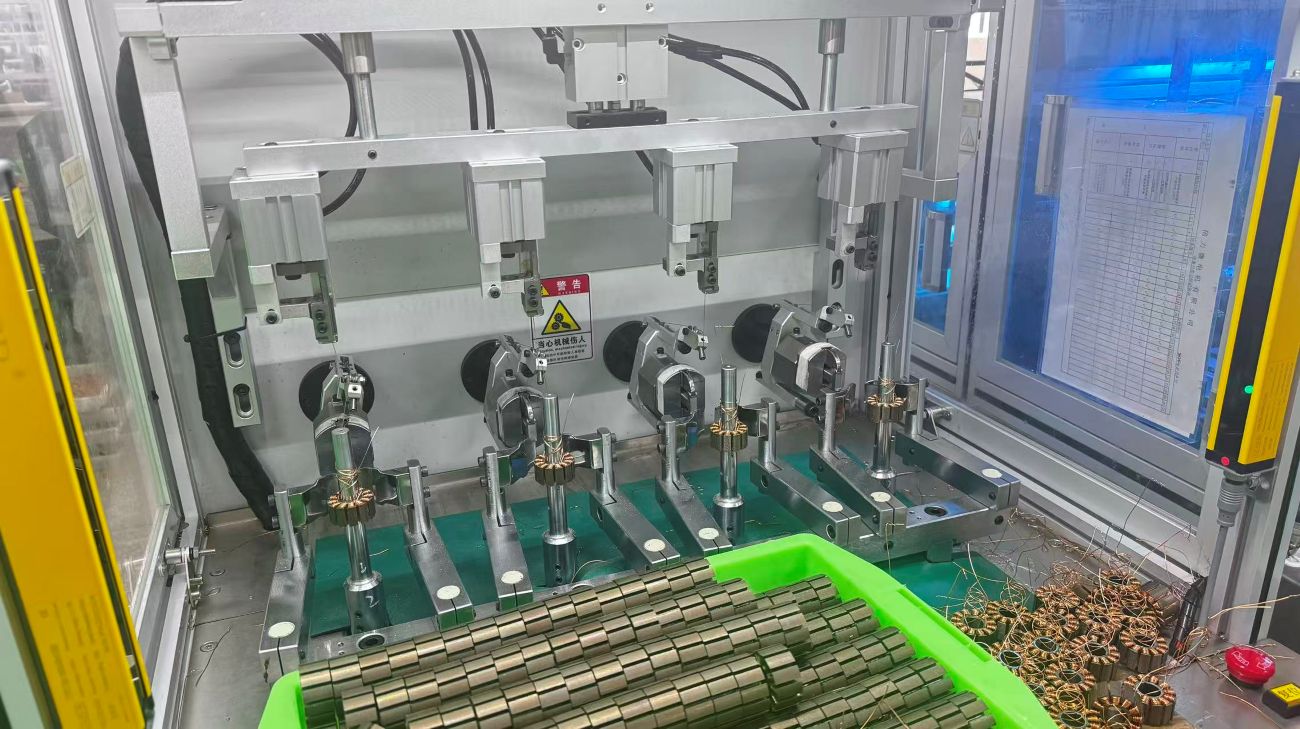
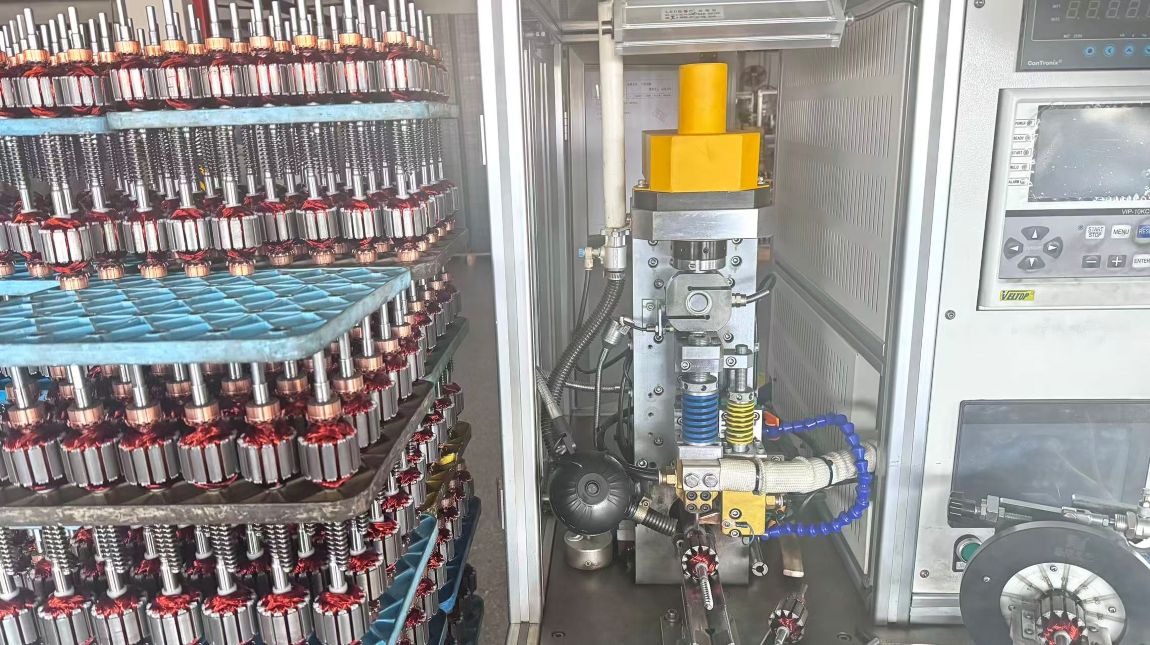
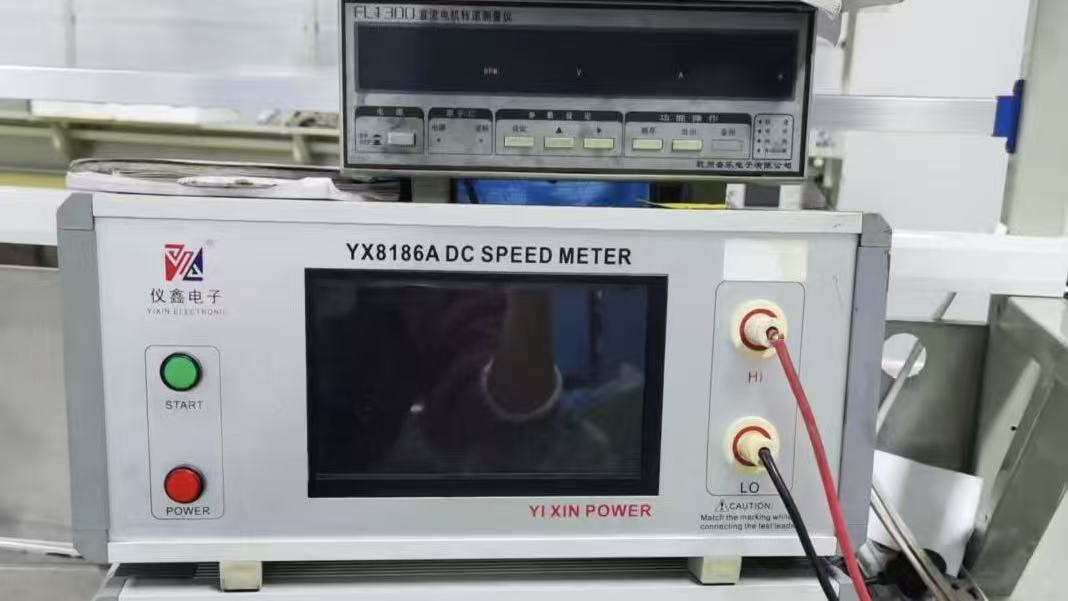
As micro-mechanical devices become smaller and more integrated, standard off-the-shelf motors often fall short in complex configurations. The engineering team at MicroDyn Motor bridges this gap with 100% custom-designed drive systems that meet precise spatial constraints and electric power profiles.
Looking to the future, the integration of smart control protocols is transforming the miniature motor landscape. Brushless DC (BLDC) motors with integrated driver boards are replacing traditional brush designs in medical applications due to their zero-maintenance requirements, low EMI/RFI footprints, and silent running characteristics. These advanced specifications are essential for devices operating in sterile hospital environments, diagnostic clinics, and high-precision testing rooms.
These products feature custom encoders, planetary gearing, step control, and specialized micro brush systems tailored to demanding automation, commercial utility, and lock assemblies.
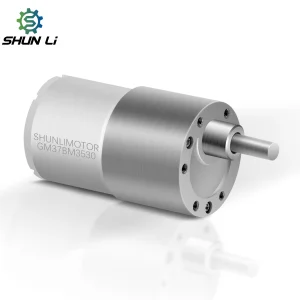
Heavy-duty 37mm frame size featuring low acoustic footprints, high torque ratings, and bidirectional feedback. Optimized for laboratory pump systems and automated conveyors.
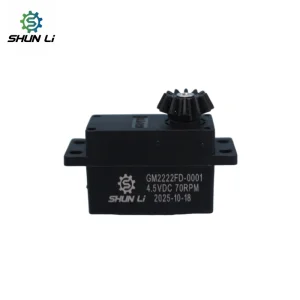
Totally enclosed drip-proof casing protects gears and brushes from environmental ingress, ensuring optimal performance in outdoor access control systems.
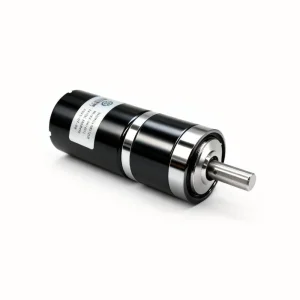
Brushless motor configuration featuring a multi-stage planetary gearbox capable of delivering up to 10N.m peak torque. Ideal for demanding robotic joints.
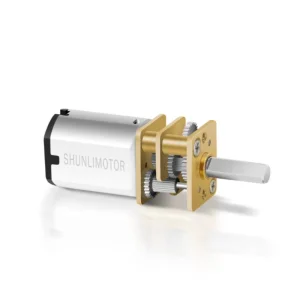
Sub-miniature gear motor engineered for residential IoT controllers, valve actuators, and motorized analytical instrumentation.
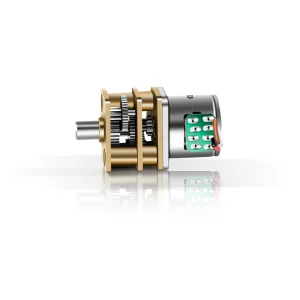
Ultra-precise 15mm diameter micro stepping motor, designed for pan-tilt security cameras and analytical positioning stages.
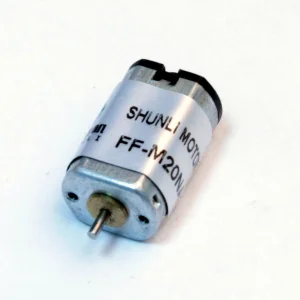
Reliable miniature motor for consumer appliances and battery-driven electronics, ensuring high energy efficiency and long operational lifespans.
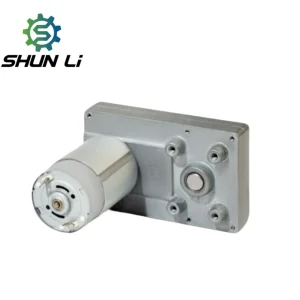
Heavy-duty carbon-brush motor integrated with high-reduction gears to provide stable rotation under severe loading conditions.
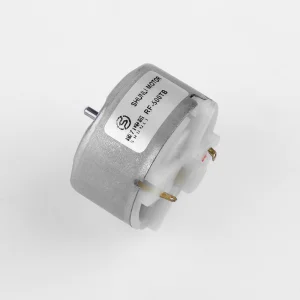
Engineered for stable air-flow production in miniature drying systems, testing cabinets, and lab-scale fluid management equipment.
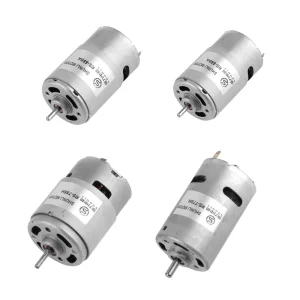
A high-velocity micro motor offering 6000 RPM at 12V, configured to drive high-speed fans, mechanical gear trains, and consumer robotics hardware projects throughout New England.
Detailed answers to the most common engineering and sourcing questions raised by Boston R&D teams.
Connect directly with our engineering department to request technical drawings, customize electrical configurations, or obtain volume pricing for the Boston and global markets.
 MicroDyn Motor